The Ultimate Guide to Canine Physical Therapy at Home
This guide provides a comprehensive library of at-home PT exercises, complete with visual illustrations and a breakdown of the science behind each movement.
Jake Kelly
Pet Longevity Researcher
The Ultimate Guide to Canine Physical Therapy at Home
Introduction
Canine physical therapy is not just for post-surgical rehabilitation — it is one of the most powerful tools available to any dog owner for improving healthspan, preventing injury, and maintaining a high quality of life well into old age. These exercises are designed to build functional strength, improve balance and body awareness, and maintain joint health. This guide provides a comprehensive library of at-home PT exercises, complete with directions and a breakdown of the science behind each movement.
Proprioception & Balance
1. Mattress Walking
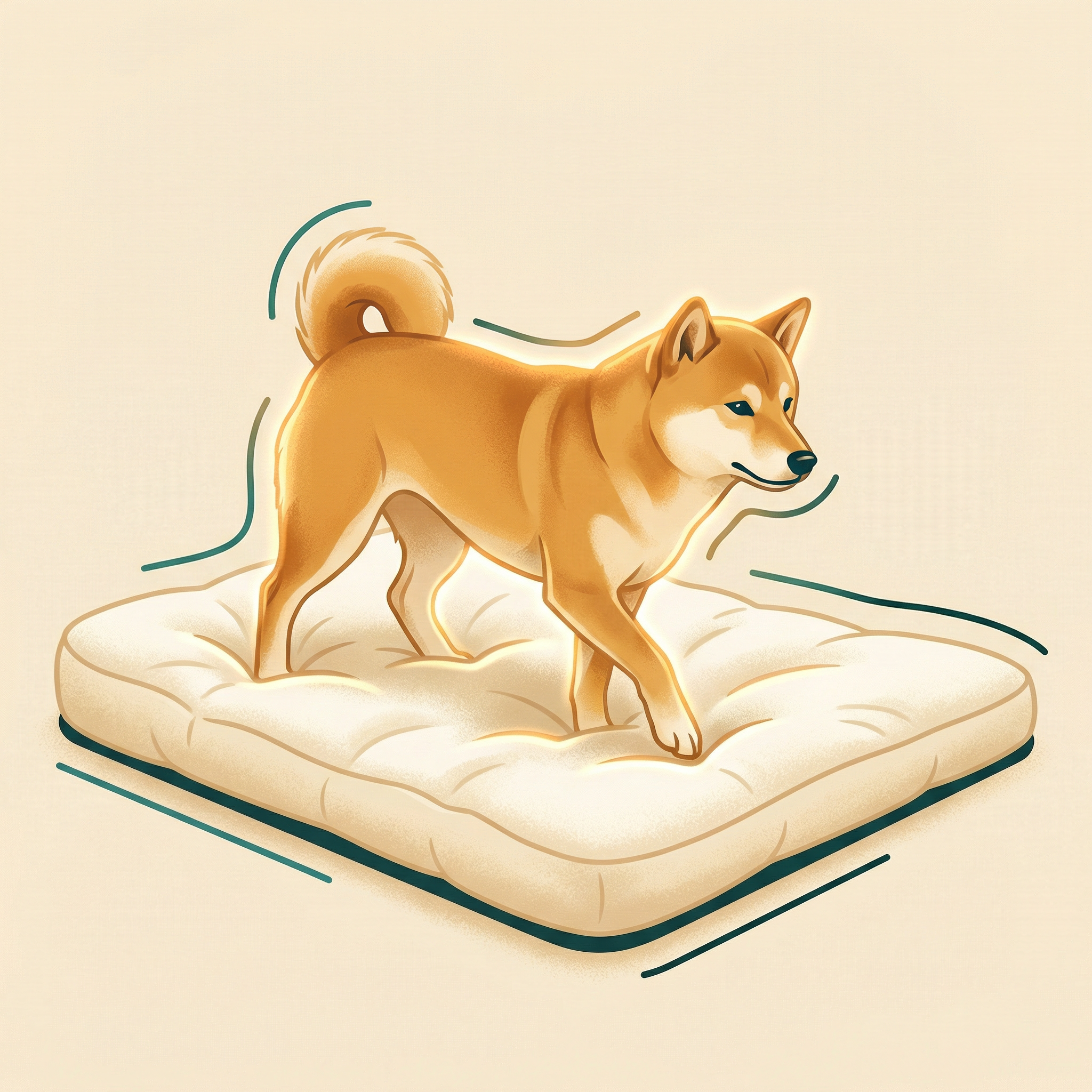
Directions: Place a firm mattress or thick duvet on the floor. Encourage your dog to walk slowly and deliberately from one end to the other. Use treats or a toy to lure them if needed. Aim for 5-10 controlled passes per session.
Mechanism & Benefit: The deformable surface of a mattress creates unpredictable micro-perturbations with every footfall, flooding the nervous system with proprioceptive input from the paws, joints, and muscles. This forces the dog to actively stabilize their body, recruiting more muscle fibers in the core and limbs and retraining the neural circuits responsible for balance. It is a high-reward, low-impact exercise ideal for building stability.
2. Cavaletti Poles
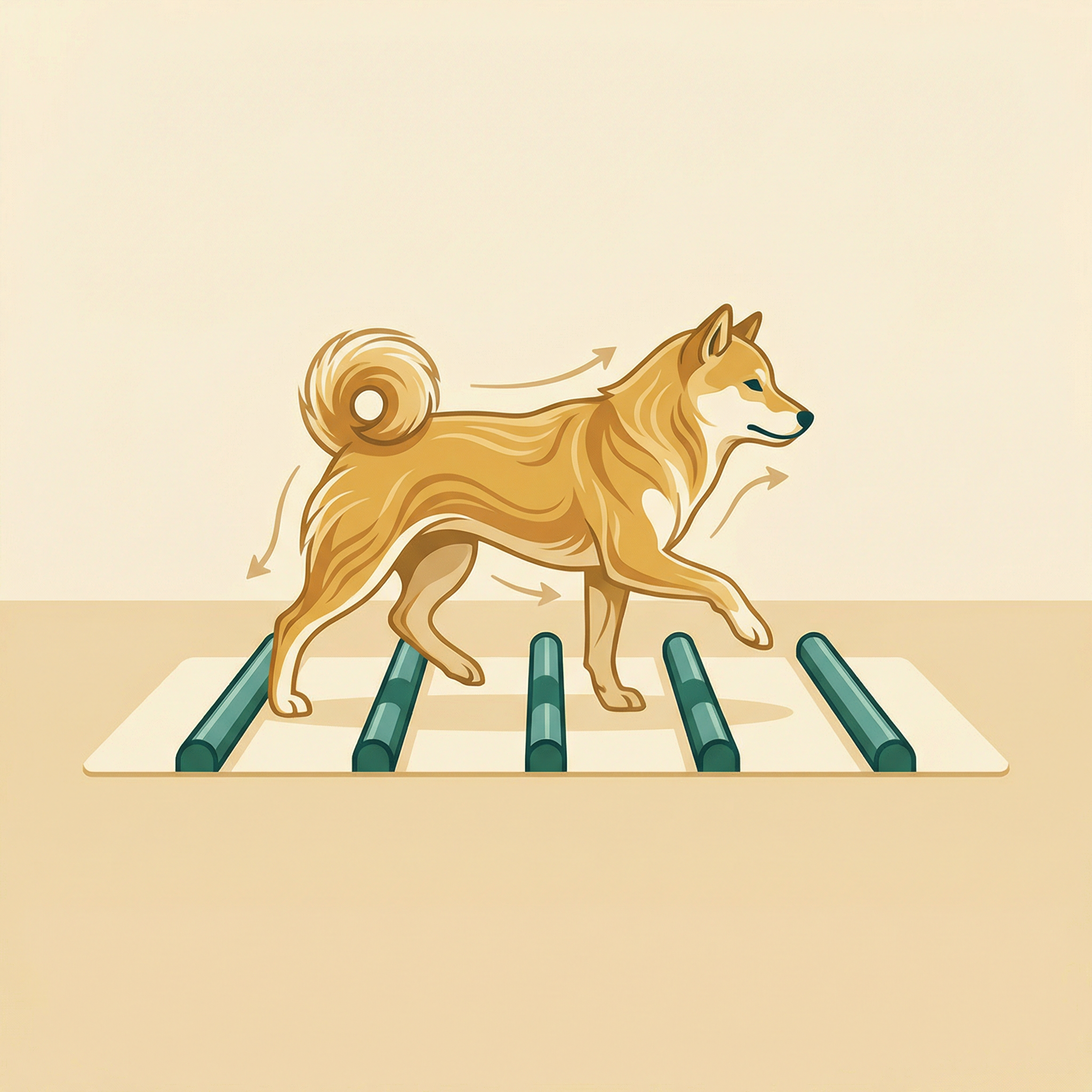
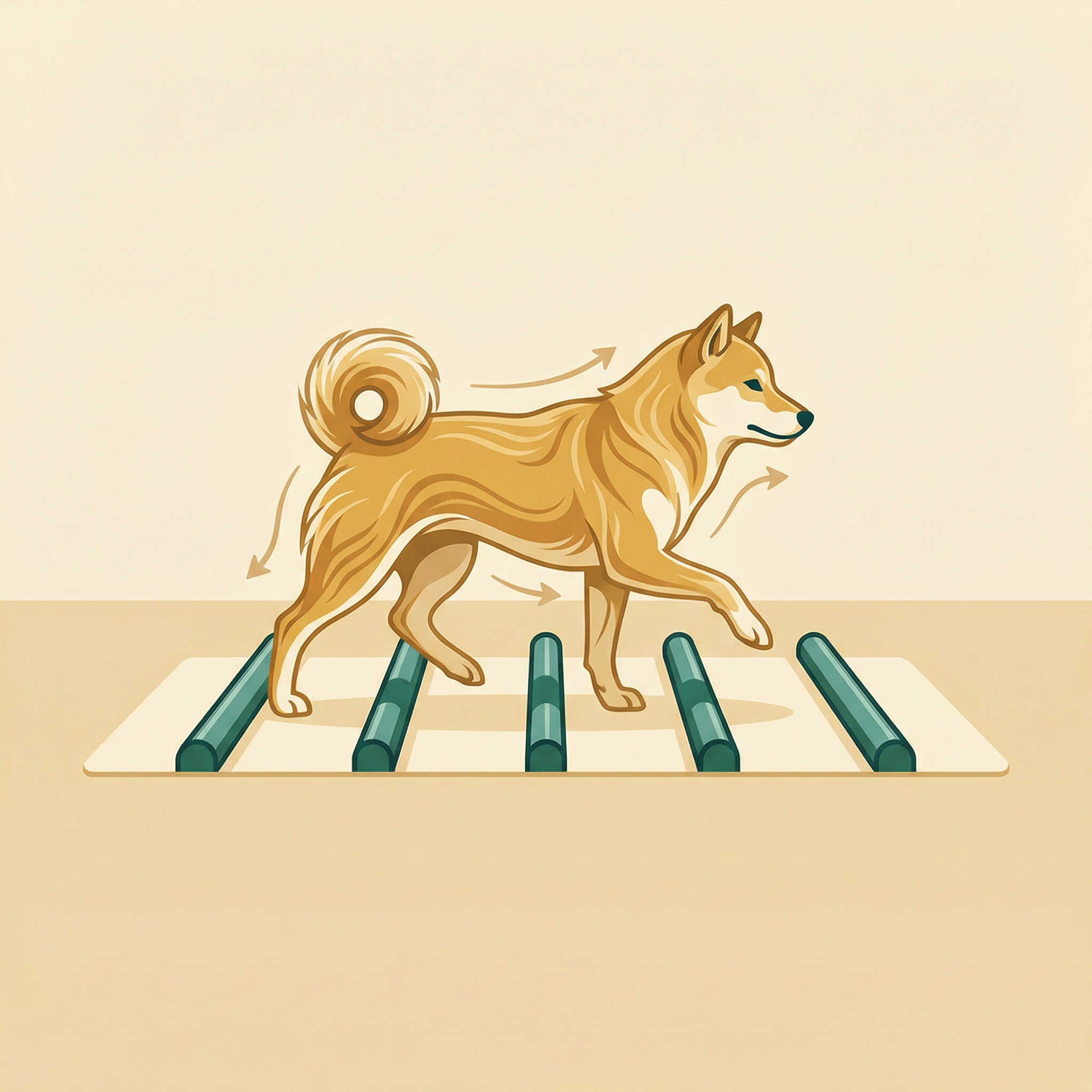
Directions: Lay 4-6 poles (PVC pipes, broomsticks) on the ground, spaced one body length apart. Encourage your dog to walk through them. As they improve, raise the poles slightly (on books or small blocks) to encourage a higher step. Ensure the poles are not fixed and will fall if kicked to prevent tripping.
Mechanism & Benefit: Walking over raised poles forces a deliberate, high-stepping gait. This exaggerates normal limb flexion and extension, improving active range of motion in the hips, stifles (knees), and shoulders. It also requires precise motor planning and body awareness, making it a cornerstone of neurological rehabilitation and gait retraining.
3. Four-Paw Balance Board
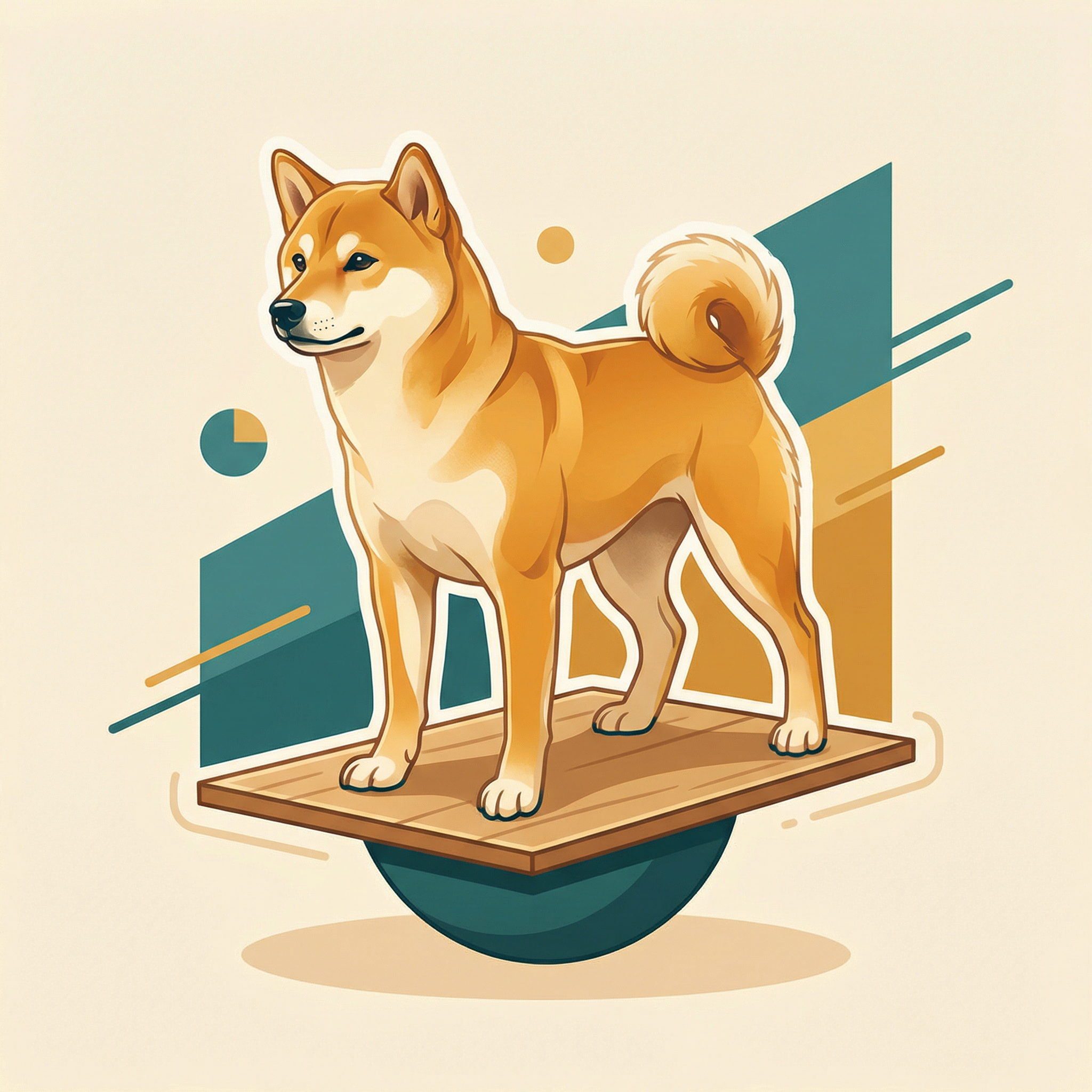
Directions: Lure your dog onto a wobble board or a DIY version (plywood on a half-ball) so all four paws are on the board. Start by rewarding them for simply standing still for 3-5 seconds. As they get more confident, slowly lure their head with a treat to encourage small weight shifts.
Mechanism & Benefit: A wobble board challenges the dog's entire center of mass simultaneously. To stay balanced, the dog must make constant, subtle adjustments, firing the deep stabilizing muscles of the core, spine, and limbs. This is an advanced proprioceptive exercise that builds exceptional body awareness and static balance control.
4. Rocker Board
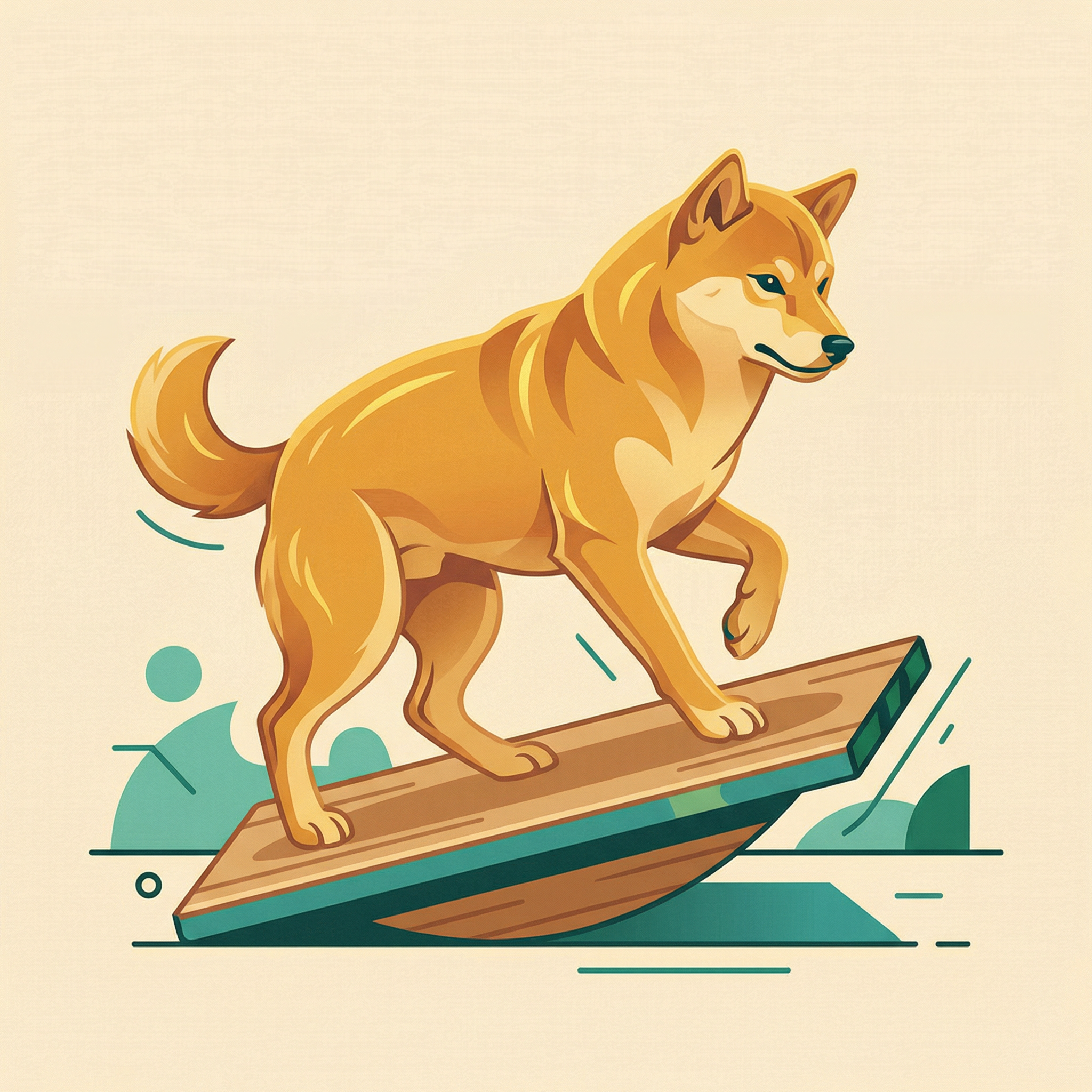
Directions: Similar to the balance board, lure your dog onto the rocker board. The movement will be restricted to a single plane (side-to-side). Reward the dog for holding a stable position as you introduce very gentle rocking motions. Keep sessions short (15-30 seconds) to start.
Mechanism & Benefit: By restricting movement to a single plane, the rocker board specifically isolates and challenges mediolateral balance. This is critical for strengthening the hip abductor and adductor muscles, which are essential for preventing falls and maintaining stability in dogs with hip dysplasia or arthritis.
5. Peanut Ball Exercise
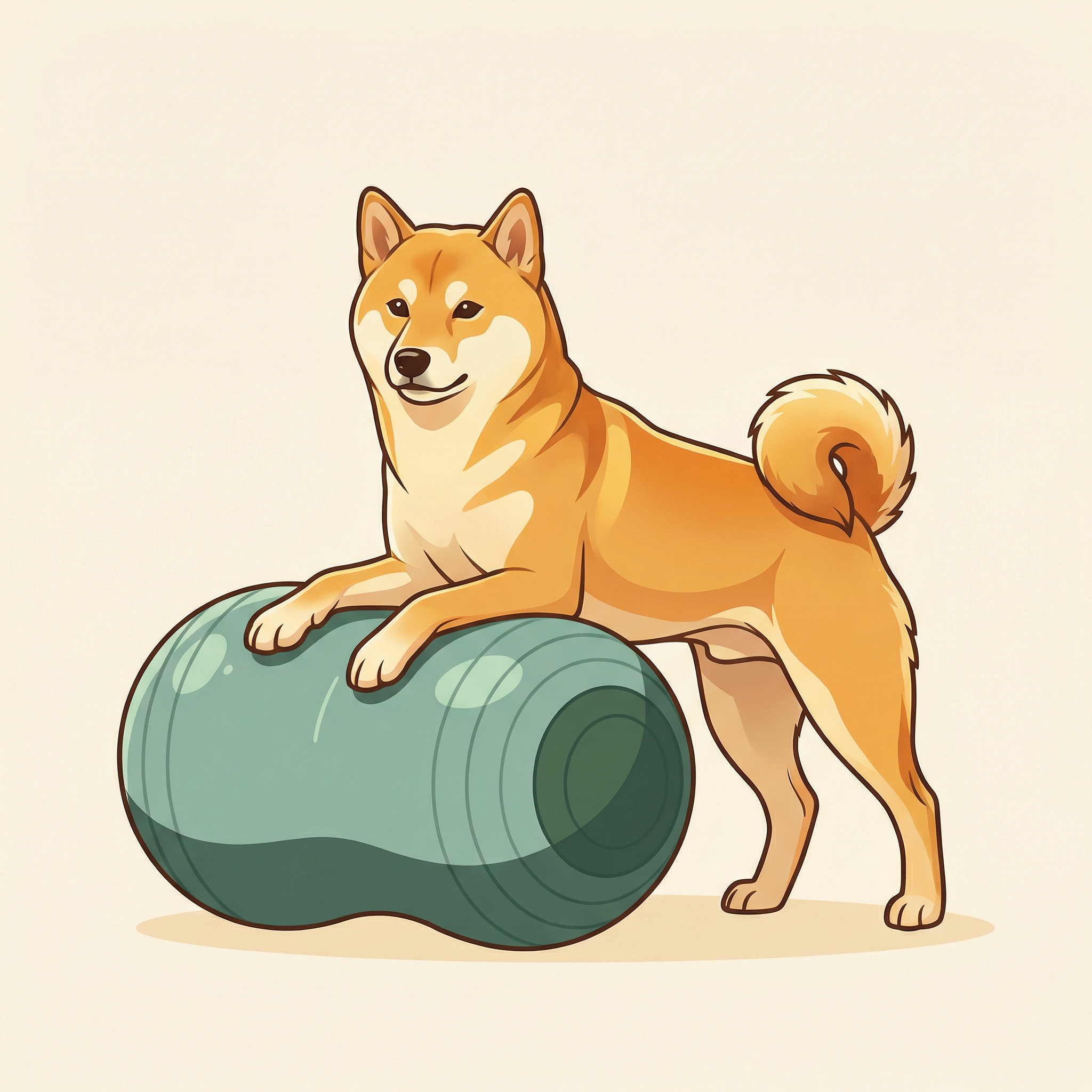
Directions: With the peanut ball stabilized, lure your dog to place their front paws on top of the ball. Reward them for holding this position. You can also place their hind limbs on the ball. The goal is a static hold, focusing on core engagement.
Mechanism & Benefit: The peanut ball allows for isolated front-limb or hind-limb strengthening. By supporting one end of the dog, you can force the other end to bear more weight and stabilize against the ball's movement. This is an excellent tool for targeted, post-operative rehab and advanced core conditioning.
6. Stepping Stones
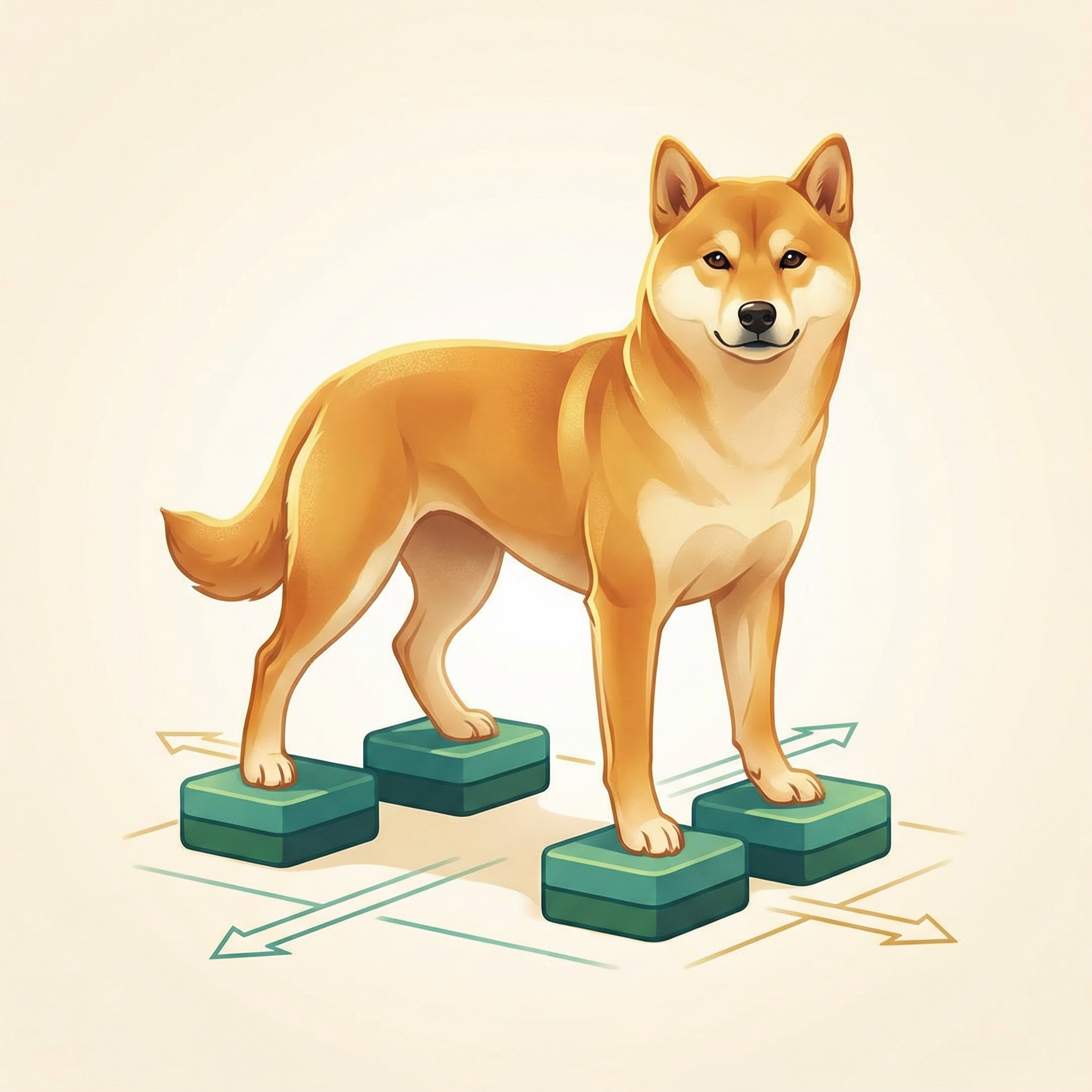
Directions: Arrange several small, stable, elevated platforms (foam blocks, firm cushions) in a path. Lure your dog to step from one to the next, aiming to have one paw on each stone. This requires slow, deliberate movement.
Mechanism & Benefit: Requiring the dog to place each paw on a separate, small target is an advanced test of proprioceptive awareness and motor planning. The dog must be consciously aware of where each of its four limbs is in space, independently. This builds precision and confidence in foot placement.
Strength & Resistance
7. Incline Walking
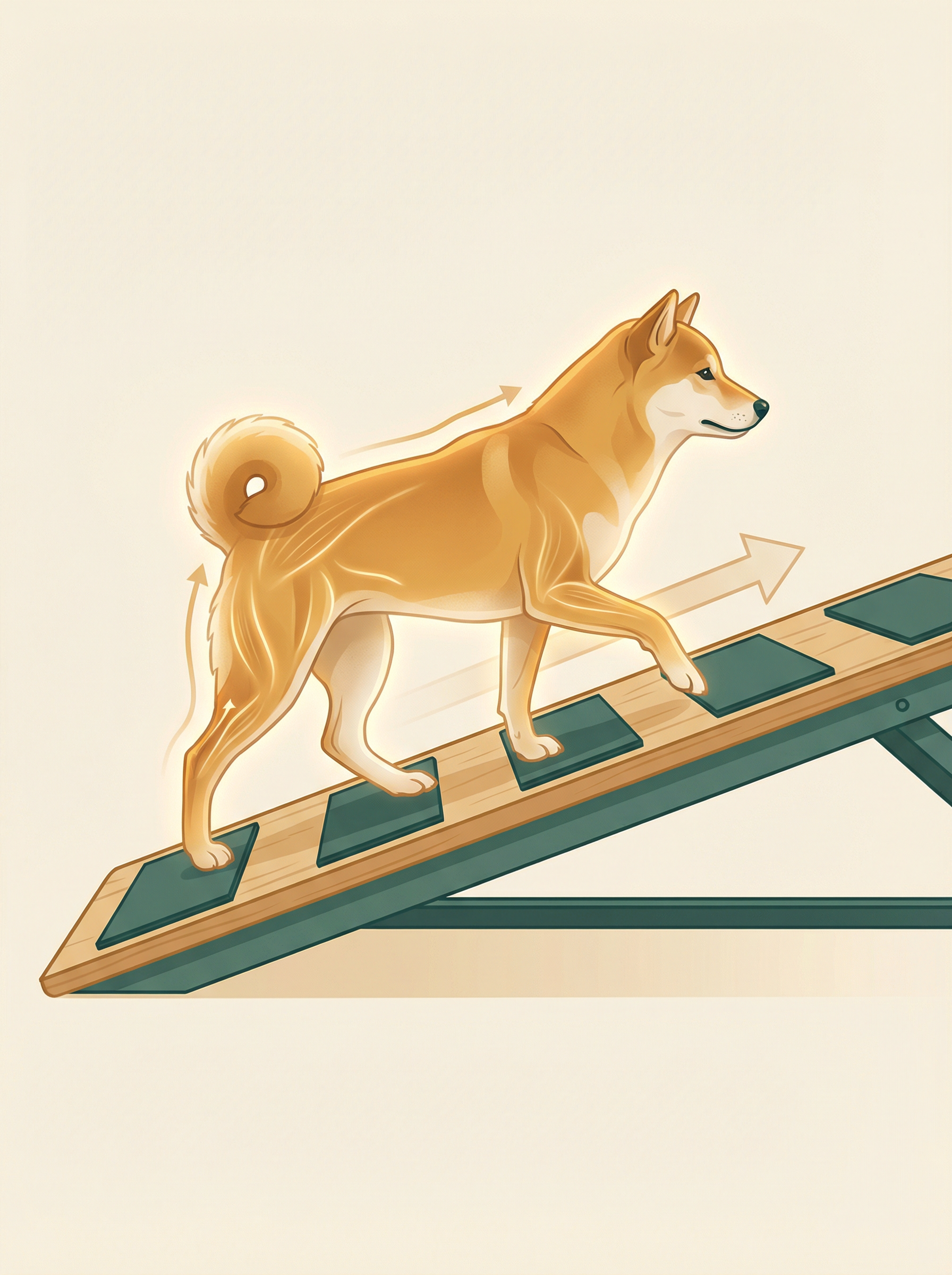
Directions: Use a ramp, a hill in your yard, or a treadmill set to an incline. Walk your dog slowly up the incline for several repetitions. The slower the pace, the more the muscles have to work.
Mechanism & Benefit: Walking uphill shifts the dog's center of gravity rearward, forcing the hindquarters to do more work. This specifically targets the gluteal muscles, hamstrings, and spinal extensors — the primary engines of canine locomotion. It is a safe and effective way to build powerful, functional hind-limb strength.
8. Decline Walking
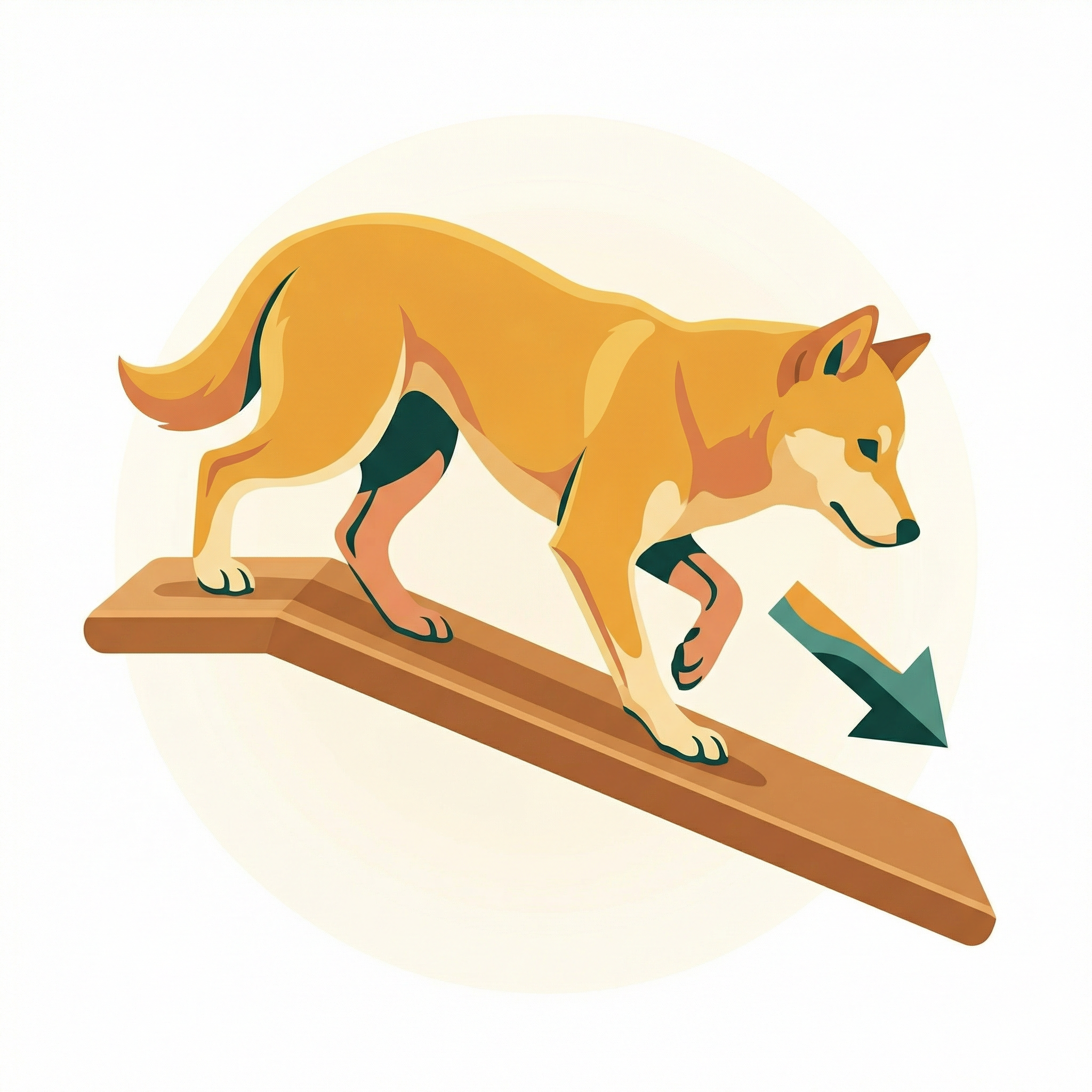
Directions: Walk your dog slowly and controlled down a ramp or hill. The focus is on preventing them from rushing. This is about controlled braking, not speed.
Mechanism & Benefit: Walking downhill forces the forelimbs and quadriceps to work eccentrically (lengthening under load) to control the descent. This is a crucial and often-neglected type of muscle contraction that is essential for braking, turning, and absorbing shock. It builds shoulder, chest, and triceps strength.
9. Wheelbarrow Exercise
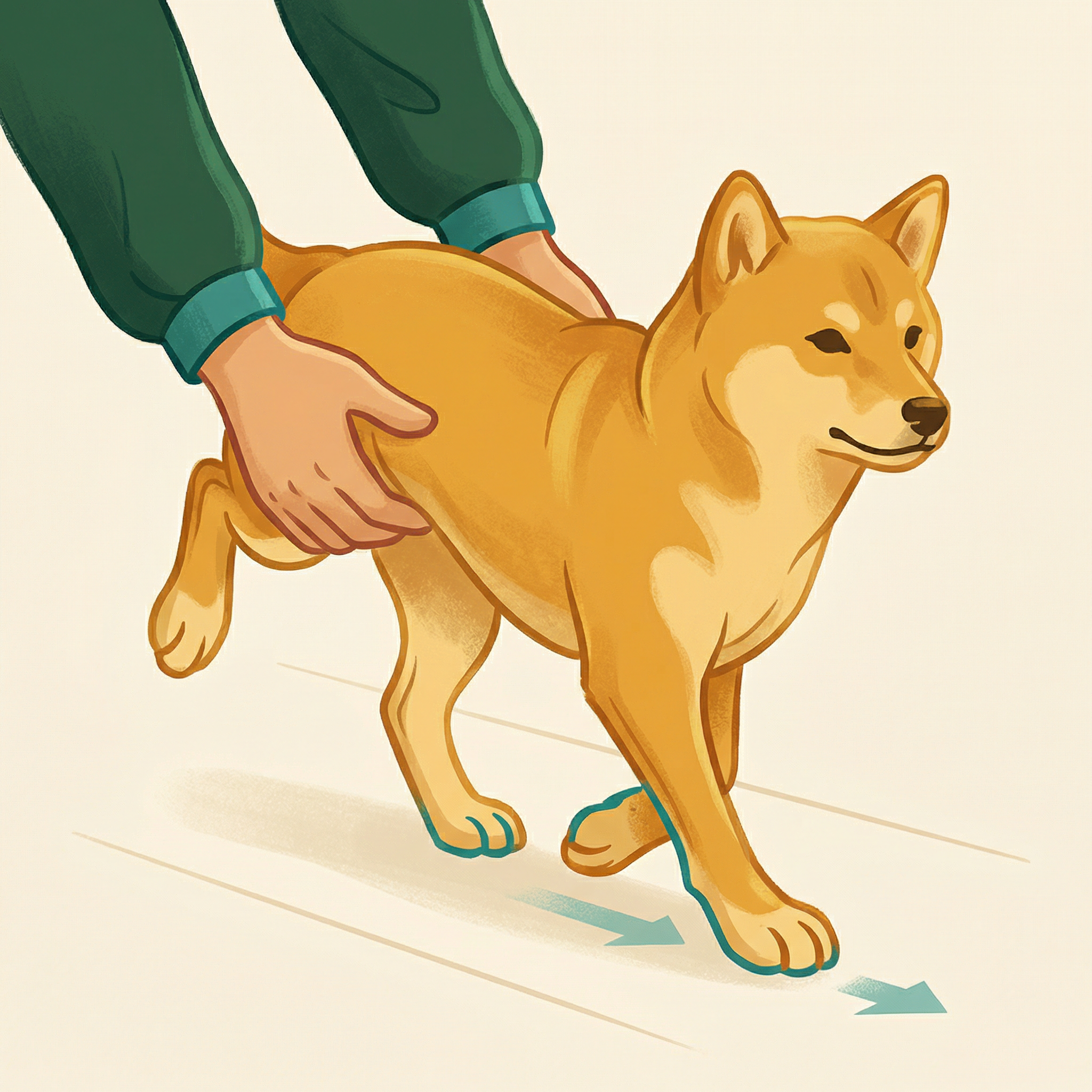
Directions: While the dog is standing, gently lift their hind legs off the ground, supporting them at the hips or thighs. Encourage them to walk forward on their front paws for a few steps. Keep it very short and provide lots of praise.
Mechanism & Benefit: By lifting the hind legs, you force the dog to support their full body weight on their front limbs. This dramatically overloads the triceps, shoulder stabilizers, and pectoral muscles, building exceptional front-end strength and endurance in a way that no other exercise can.
10. Reverse Wheelbarrow
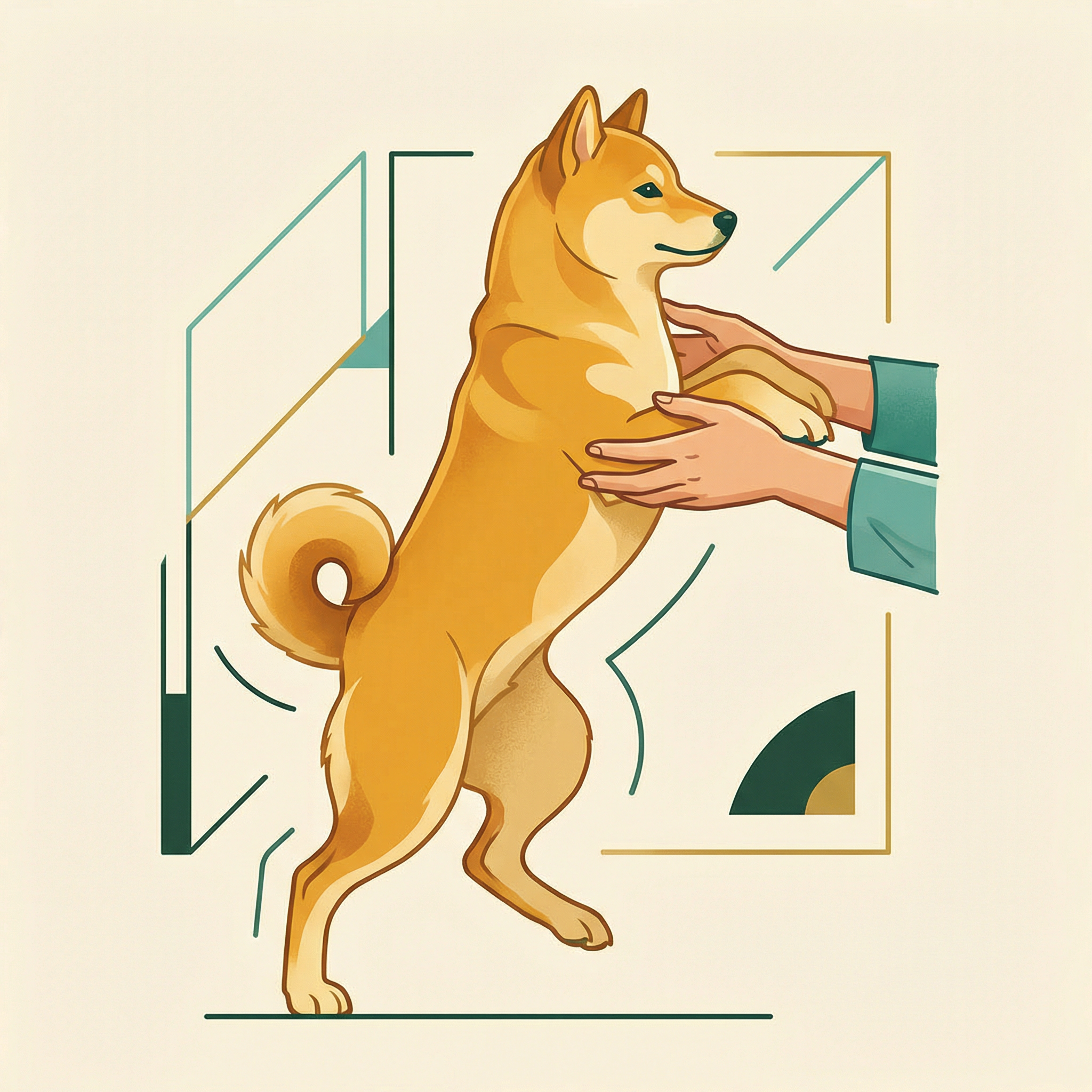
Directions: Facing your dog, gently lift their front paws off the ground, supporting them under the chest. Encourage them to take a few steps backward on their hind legs. This is an advanced exercise that requires trust.
Mechanism & Benefit: The opposite of the wheelbarrow, this exercise isolates the hind limbs. It is essentially a loaded squat walk for dogs, forcing the glutes, quads, and hamstrings to work through a full range of motion under load. It is one of the most effective exercises for building powerful, athletic hindquarters.
11. Resistance Band Walking
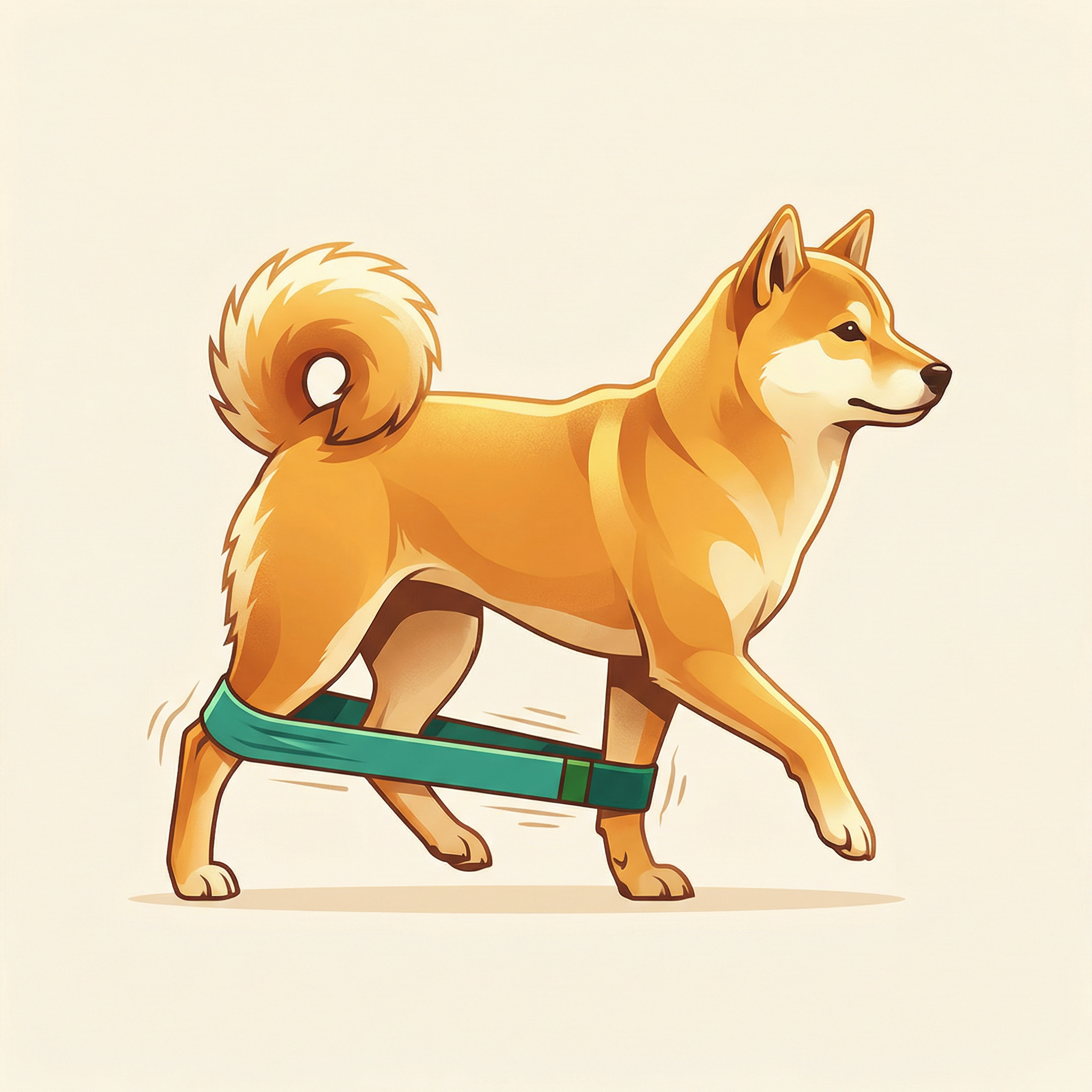
Directions: Loop a light resistance band around your dog's rear pasterns (just above the paws). Encourage them to walk forward slowly. The band will add a small amount of resistance to their normal gait.
Mechanism & Benefit: The band adds resistance to the protraction and retraction phases of the gait cycle, forcing the dog to recruit more motor units to complete the movement. This increases the strength-building stimulus of a normal walk and can be used to target specific muscle groups.
12. Three-Legged Sit-to-Stand
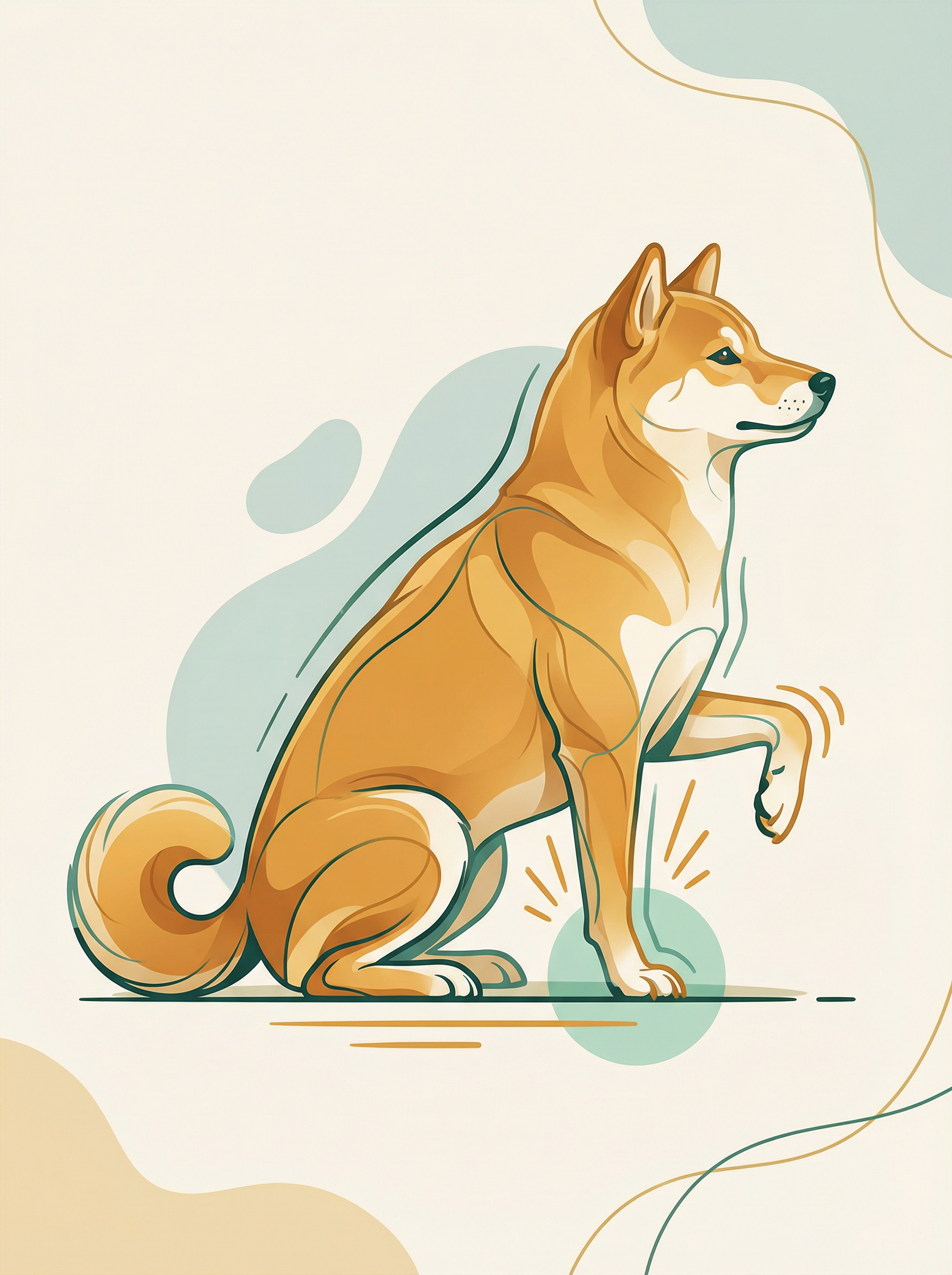
Directions: Ask your dog to sit. Gently lift one of their front paws off the ground. Then, ask them to stand. Repeat 5-10 times, then switch paws. You can also do this by lifting a hind paw.
Mechanism & Benefit: By removing one limb from the equation, you force the remaining three to handle the full load of the sit-to-stand movement. This unilateral overload is particularly effective at strengthening the contralateral (opposite) hind limb, making it a go-to exercise for addressing strength imbalances.
Core & Spinal Stability
13. Cookie Stretches
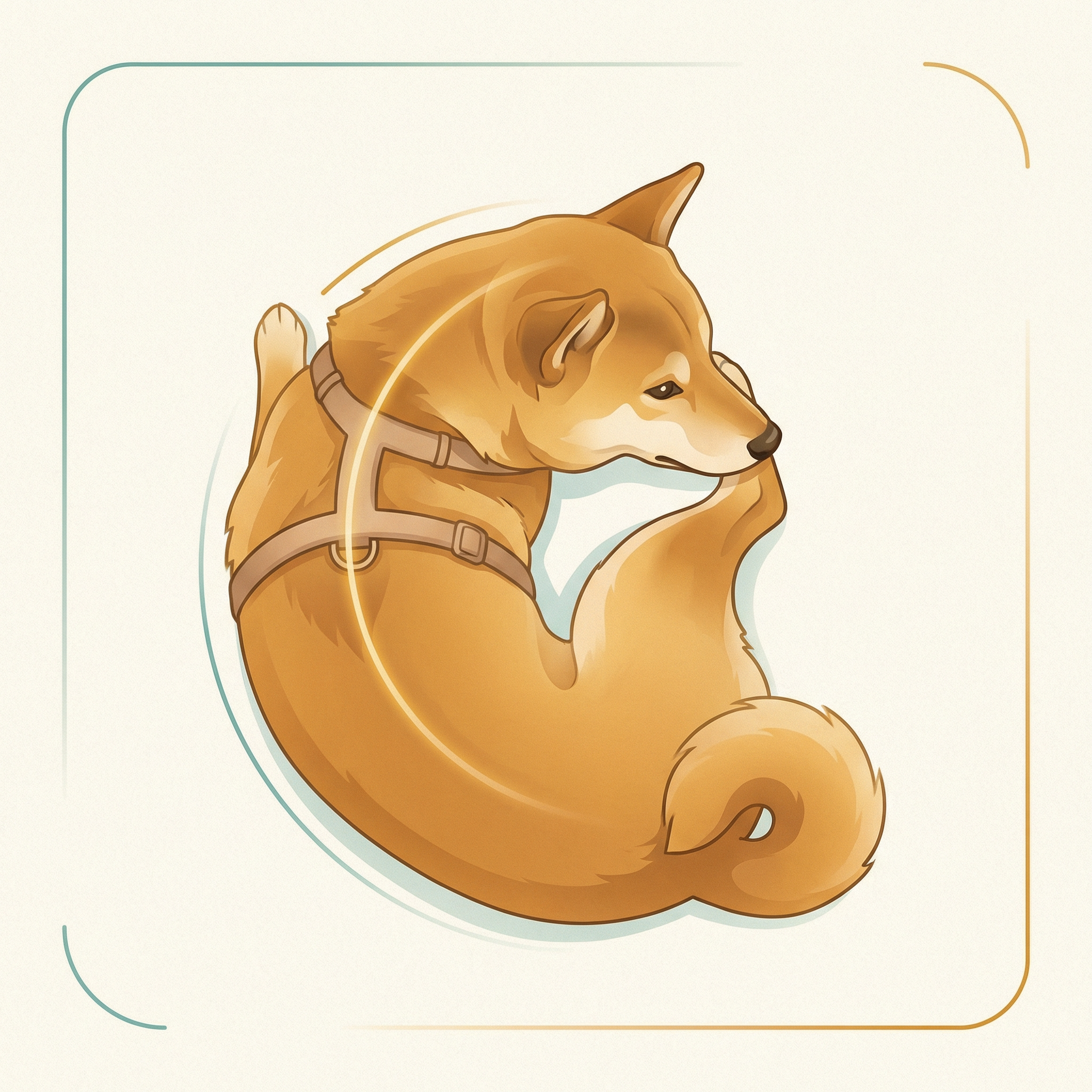
Directions: While your dog is standing, use a treat to lure their nose towards their shoulder, then their hip, then down between their front paws. Hold each position for a few seconds. Perform on both sides.
Mechanism & Benefit: Luring the dog's nose to various points on its body is not just a stretch — it is an active core exercise. Reaching for the hip forces lateral spinal flexion and engages the oblique muscles. Reaching between the front legs engages the deep abdominal muscles. It builds both flexibility and functional core strength.
14. Sphinx to Stand
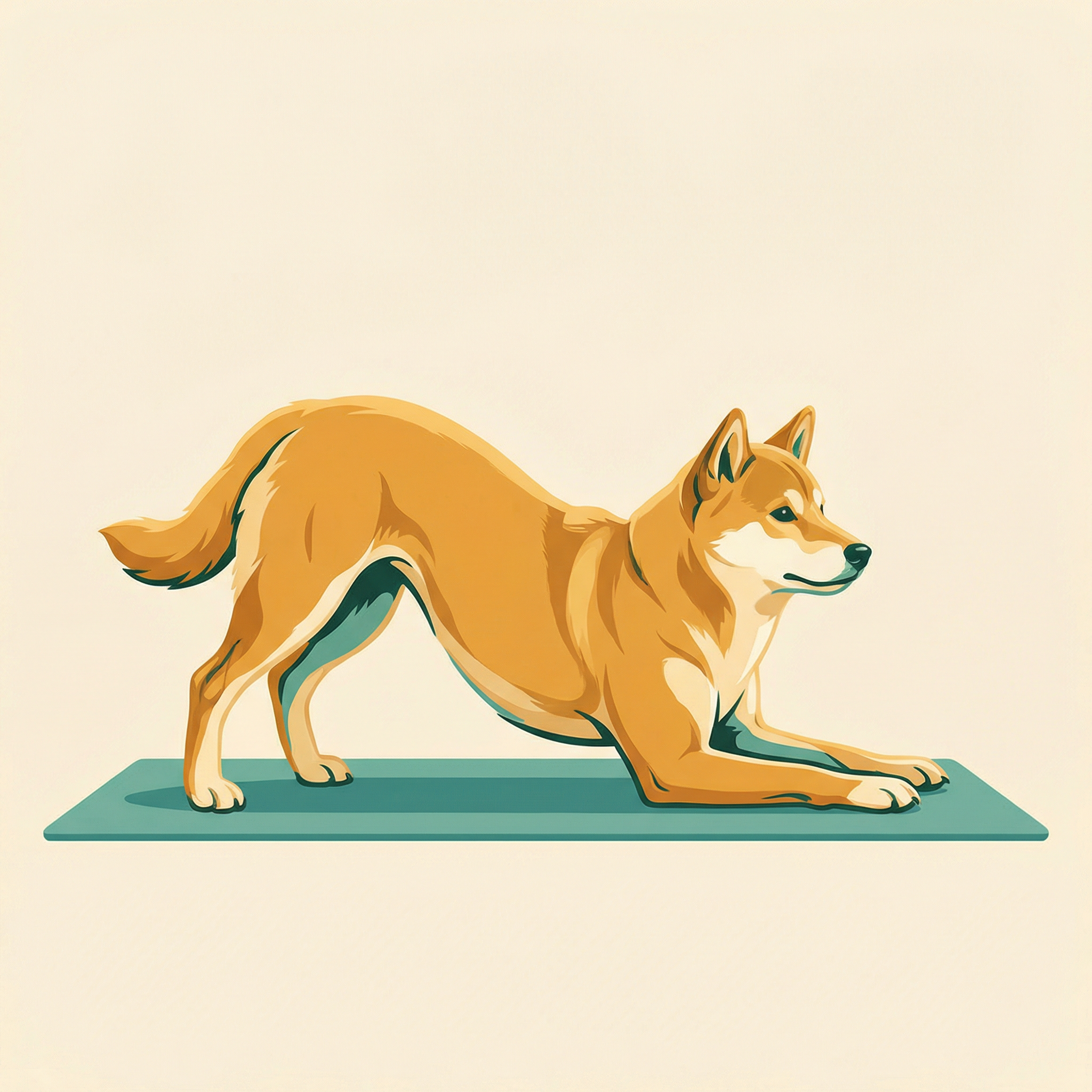
Directions: From a down position, lure your dog directly to a stand without letting them sit in between. The movement should be a powerful push-up from the hindquarters.
Mechanism & Benefit: Transitioning from a sphinx/down position directly to a stand requires a powerful, coordinated contraction of the hip extensors (glutes and hamstrings) and the core stabilizers. It is a more challenging and effective hip-strengthening exercise than a standard sit-to-stand.
15. Plank Hold (Front Paws Elevated)
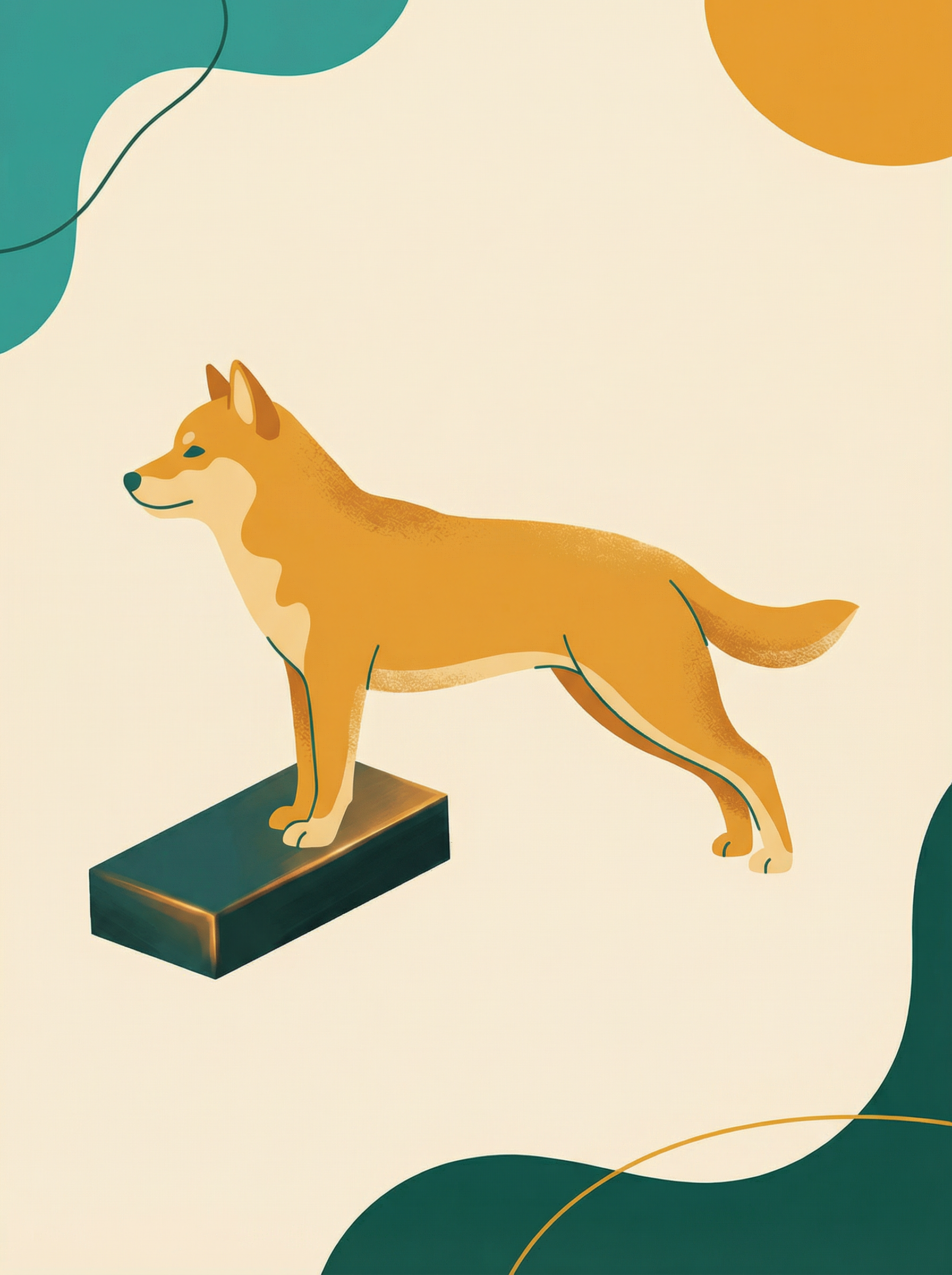
Directions: Have your dog place their front paws on a low step or book. Lure them into a straight-body plank position and reward them for holding it for 5, 10, then 15 seconds. Ensure their back is flat.
Mechanism & Benefit: The plank is a classic isometric core exercise. By elevating the front paws, you increase the load on the abdominal muscles and hip flexors. Holding this position statically builds endurance in the muscles that support the spine and pelvis.
16. Rear Paw Elevated Plank
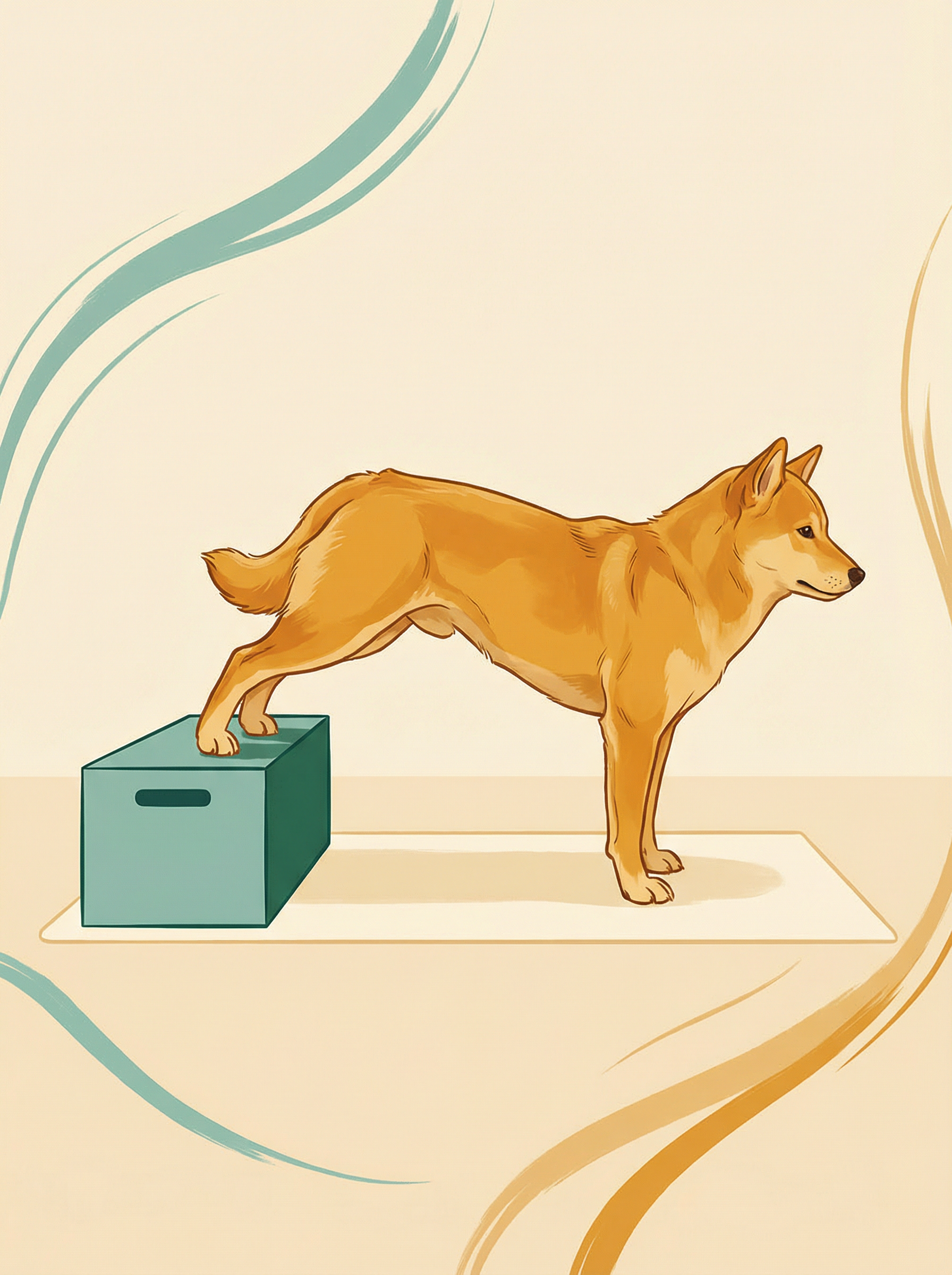
Directions: The reverse of the above. Have your dog place their rear paws on a low step and lure them into a plank. This is more challenging and should be introduced after they have mastered the front-paw plank.
Mechanism & Benefit: Elevating the rear paws shifts the center of mass forward, increasing the load on the shoulder and chest muscles (pectoral, serratus anterior). This is an advanced plank variation that builds exceptional front-end stability and strength.
17. Army Crawl
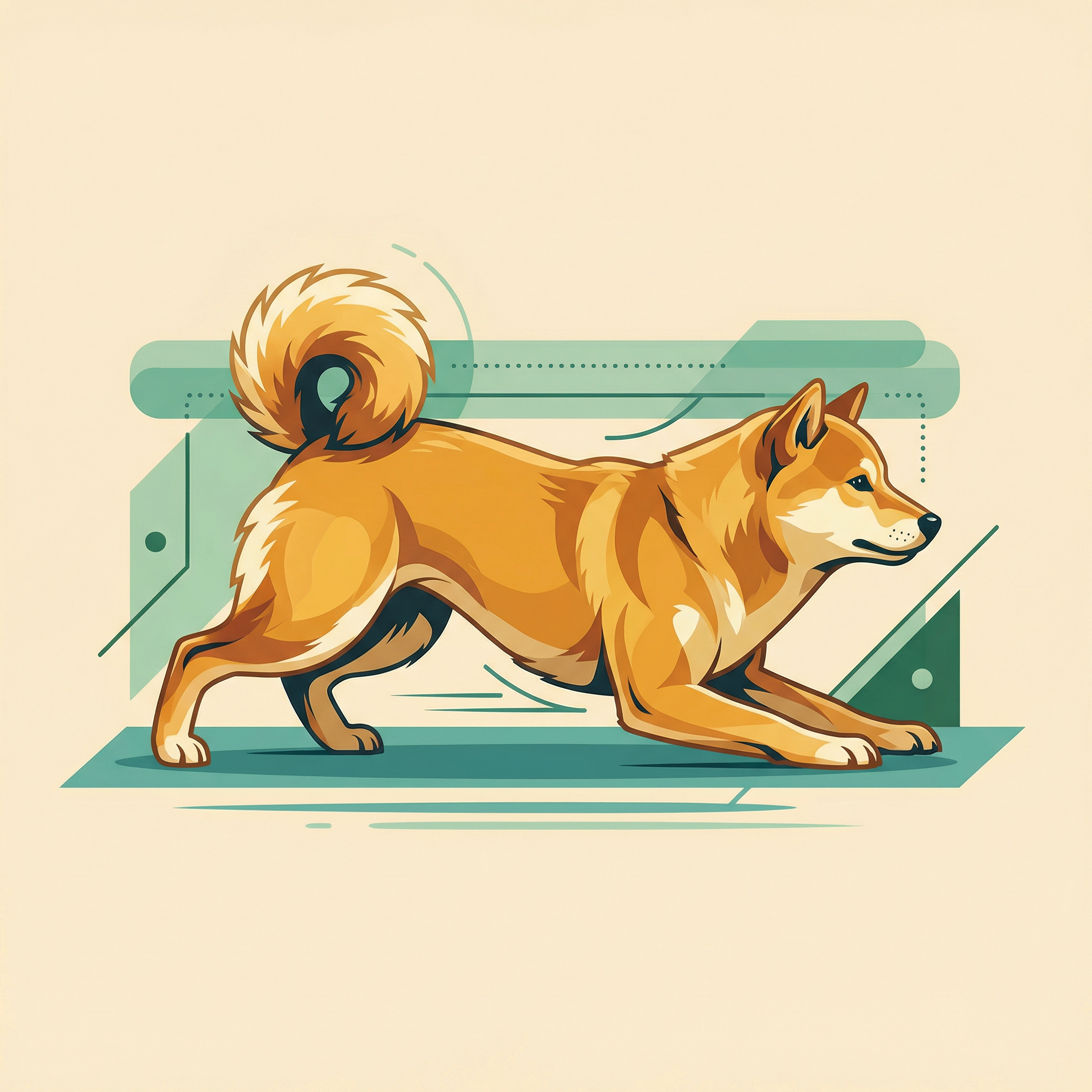
Directions: Encourage your dog to crawl under a low object (a coffee table, your leg). The goal is to keep their belly low to the ground as they pull themselves forward.
Mechanism & Benefit: The army crawl is a full-body compound movement. It requires the dog to pull with its front limbs (engaging the lats and biceps), push with its rear limbs, and keep its core braced and stable throughout. It builds strength, coordination, and body awareness all at once.
Flexibility & Advanced Core
18. Sit Pretty / Beg
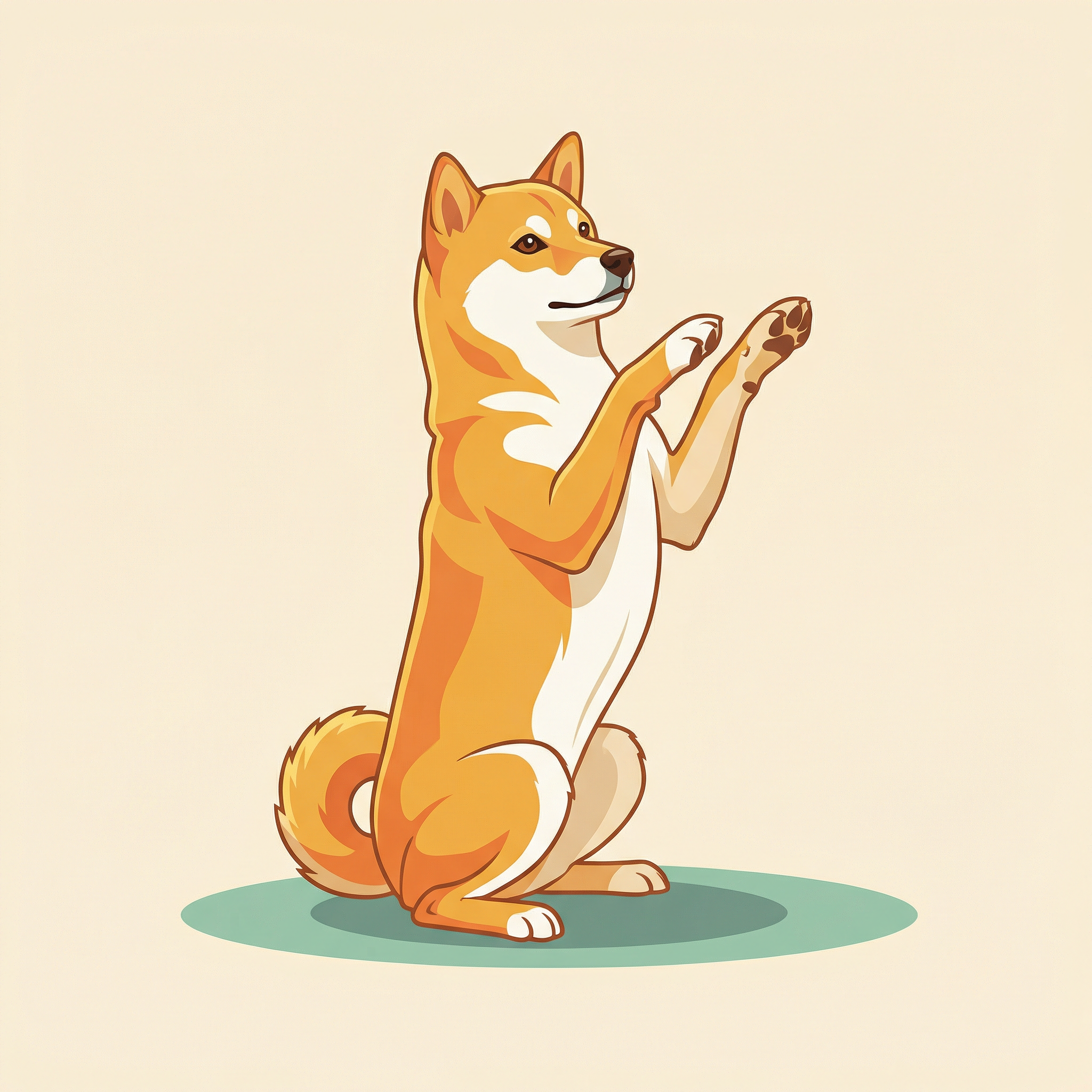
Directions: From a sit, lure your dog's head up and back with a treat until their front paws lift off the ground. Start by rewarding a brief lift, and gradually increase the duration. Use a wall for back support initially.
Mechanism & Benefit: This is an advanced isometric core exercise that requires the dog to balance on its haunches while engaging the deep abdominal muscles, hip flexors, and spinal extensors. It builds exceptional trunk stability and balance.
19. Bow Stretch
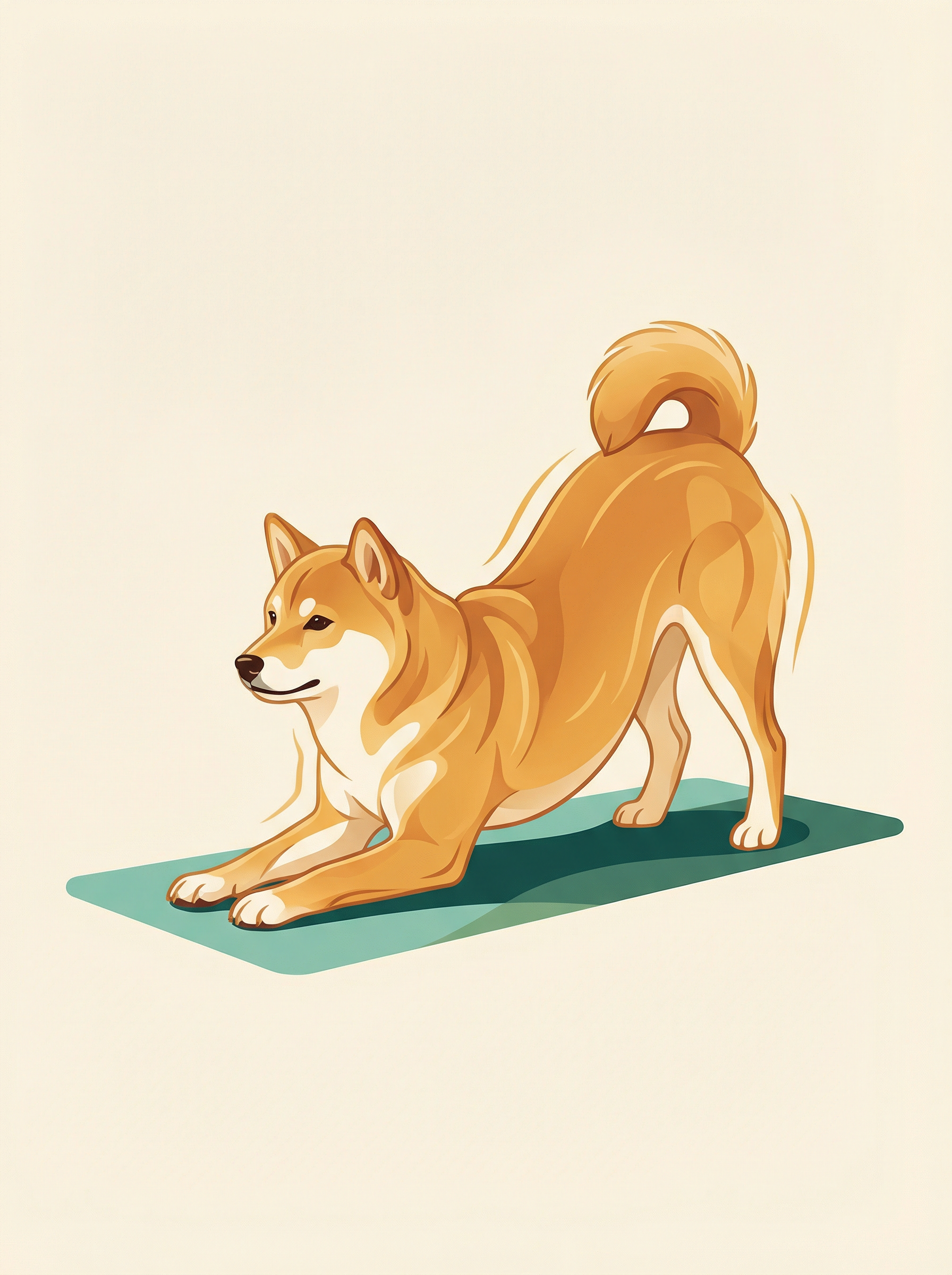
Directions: Lure your dog into a play bow position (front elbows on the ground, rear end up). Reward them for holding this position for 5-10 seconds. This should be a relaxed, voluntary stretch.
Mechanism & Benefit: The play bow is a natural, full-body stretch. Holding this position deliberately provides a deep stretch for the latissimus dorsi, shoulders, chest, and the entire length of the spine, while also opening up the hip flexors. It is one of the most efficient and effective stretches a dog can do.
Other Key Exercises
20. Lateral Walking
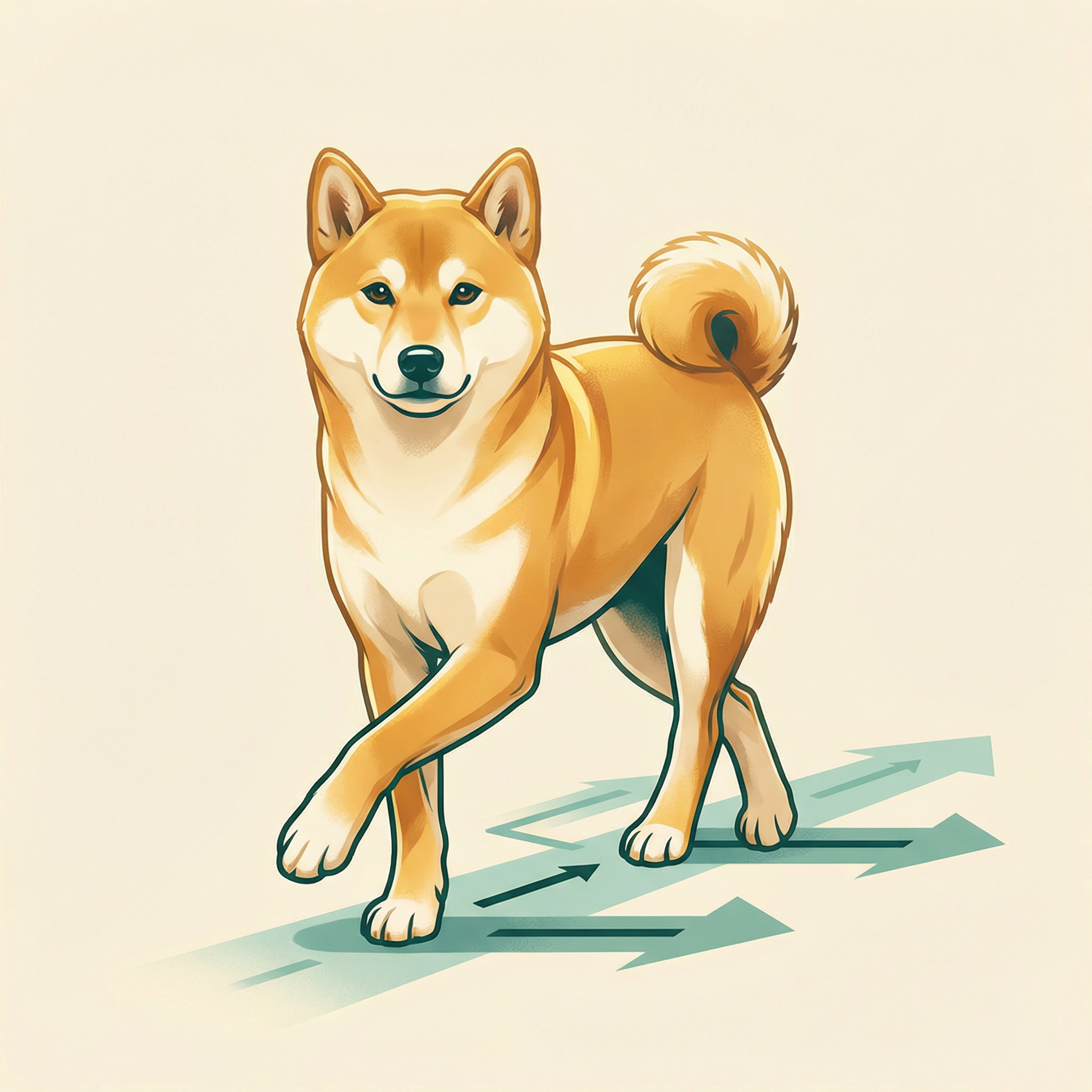
Directions: With your dog standing parallel to you, encourage them to side-step for several feet. You can use a wall or furniture to create a narrow channel to prevent them from turning forward.
Mechanism & Benefit: Side-stepping targets the hip abductor and adductor muscles, which are not adequately loaded during normal forward walking. These muscles are critical for pelvic stability and preventing injury, especially in dogs with hip dysplasia.
21. Backwards Walking
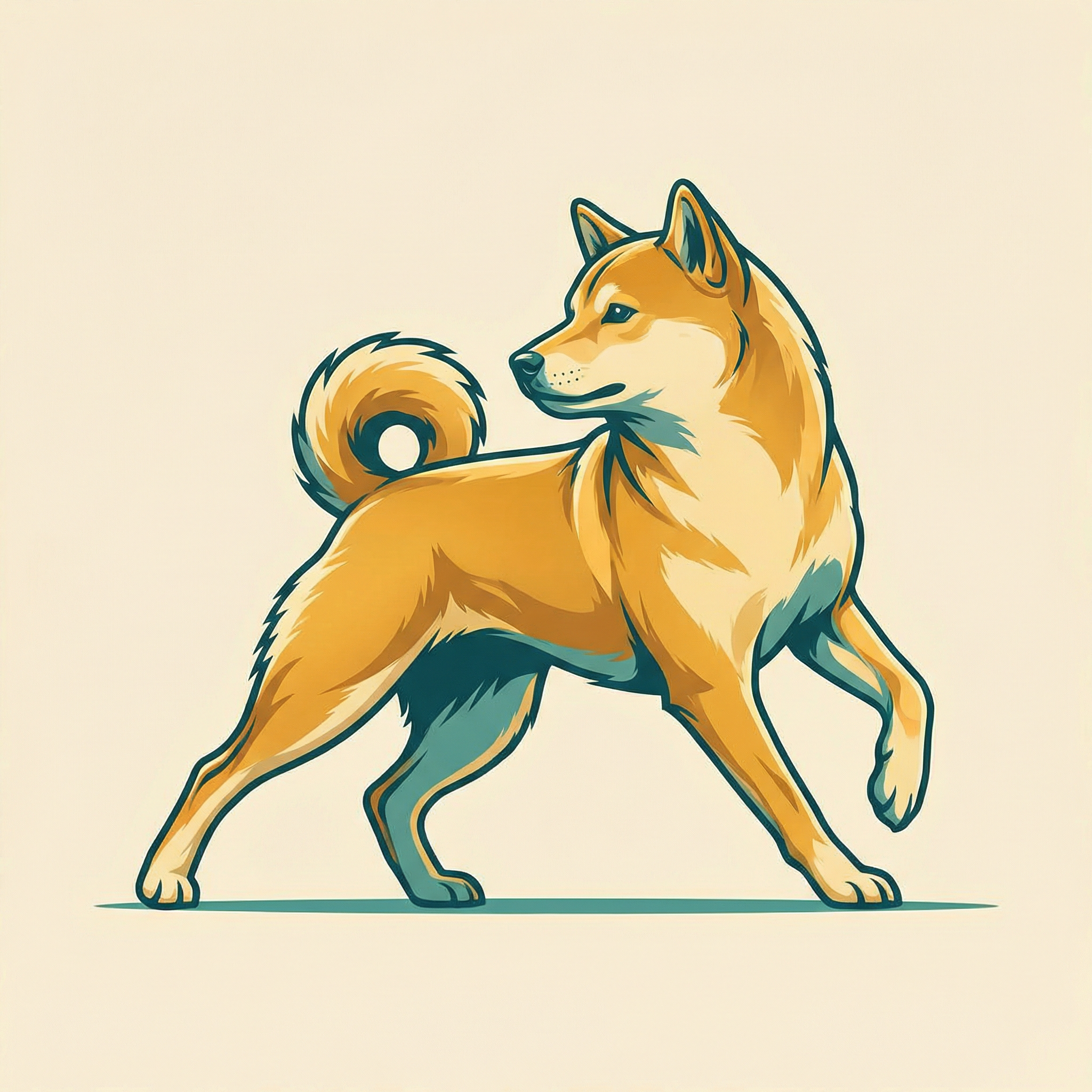
Directions: Facing your dog, encourage them to walk backward for 5-10 steps. Use gentle pressure on their chest or lure them with a treat. Keep it slow and controlled.
Mechanism & Benefit: Walking backwards reverses the normal gait pattern, forcing the dog to consciously place its feet and engage its hind limb extensors (glutes and hamstrings) more actively. It is an excellent exercise for improving rear-end awareness and strength.
22. BOSU Ball Circles
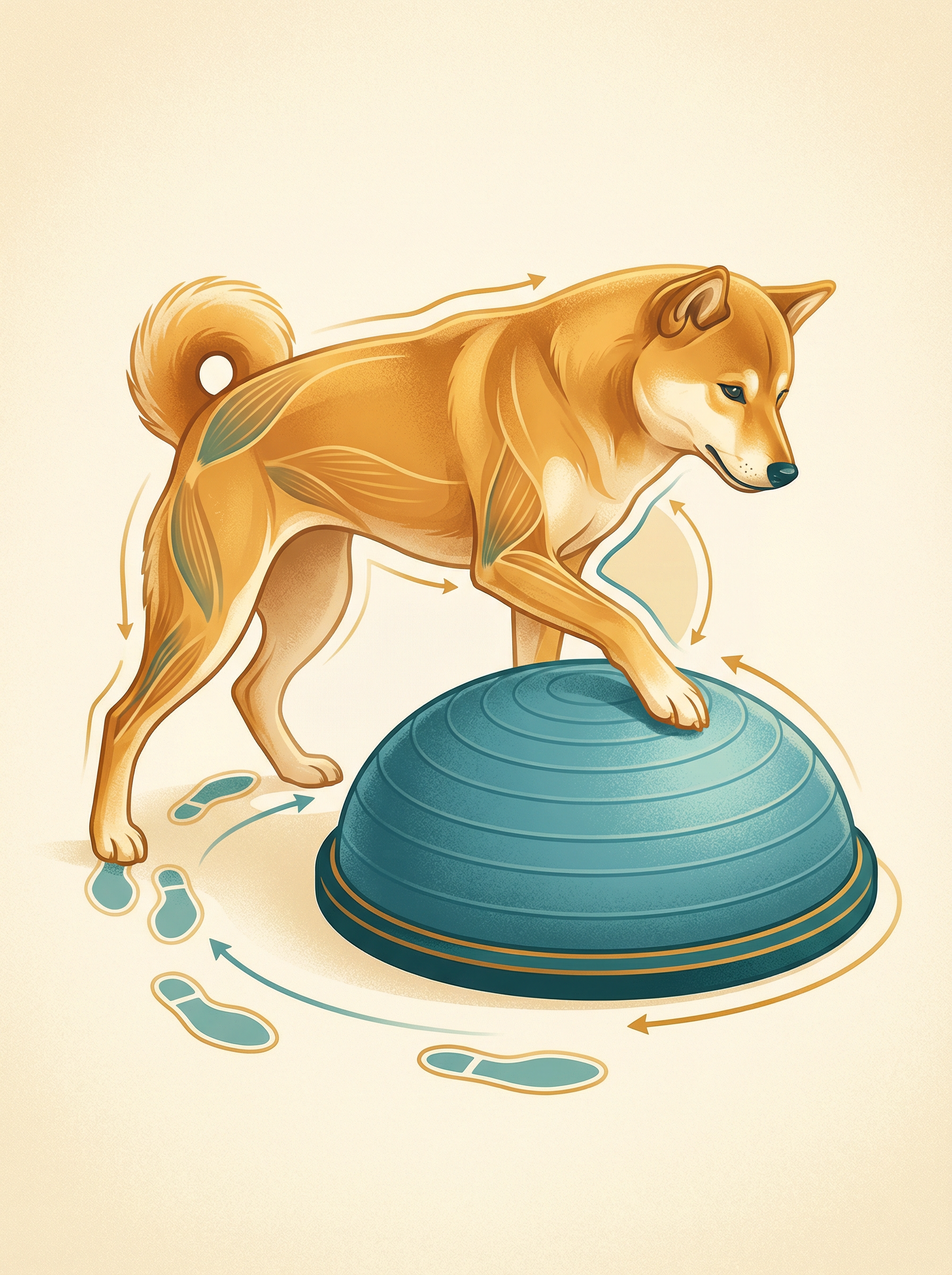
Directions: Place a BOSU ball on the ground. Lure your dog to walk in a circle around it, keeping two paws on the ground and two paws on the ball (or one paw on the ball). Circle in both directions.
Mechanism & Benefit: Circling a BOSU ball combines proprioceptive challenge with core activation. The unstable surface of the BOSU requires constant adjustments, while the circular movement engages the core muscles to resist rotational forces.
23. Meerkat Sit
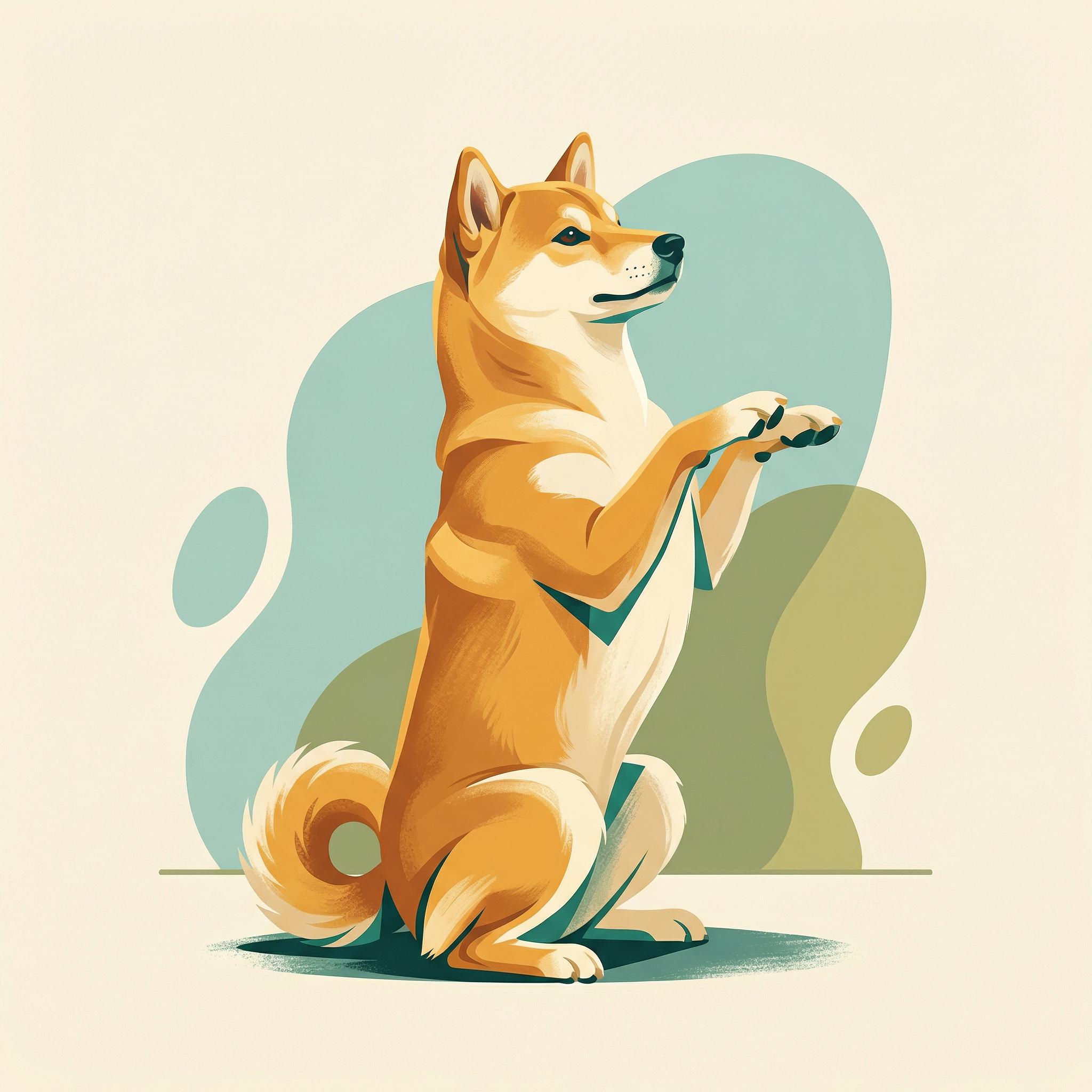
Directions: This is an advanced version of the Sit Pretty. The goal is to hold the upright sit position for a longer duration (10-30 seconds) without any back support, maintaining a perfectly straight spine.
Mechanism & Benefit: A pure isometric core hold, the Meerkat Sit engages the transverse abdominis, multifidus, psoas, and iliopsoas simultaneously, building the deep muscular corset that supports the spine.
24. Sit-to-Stand on Inflatable Disk
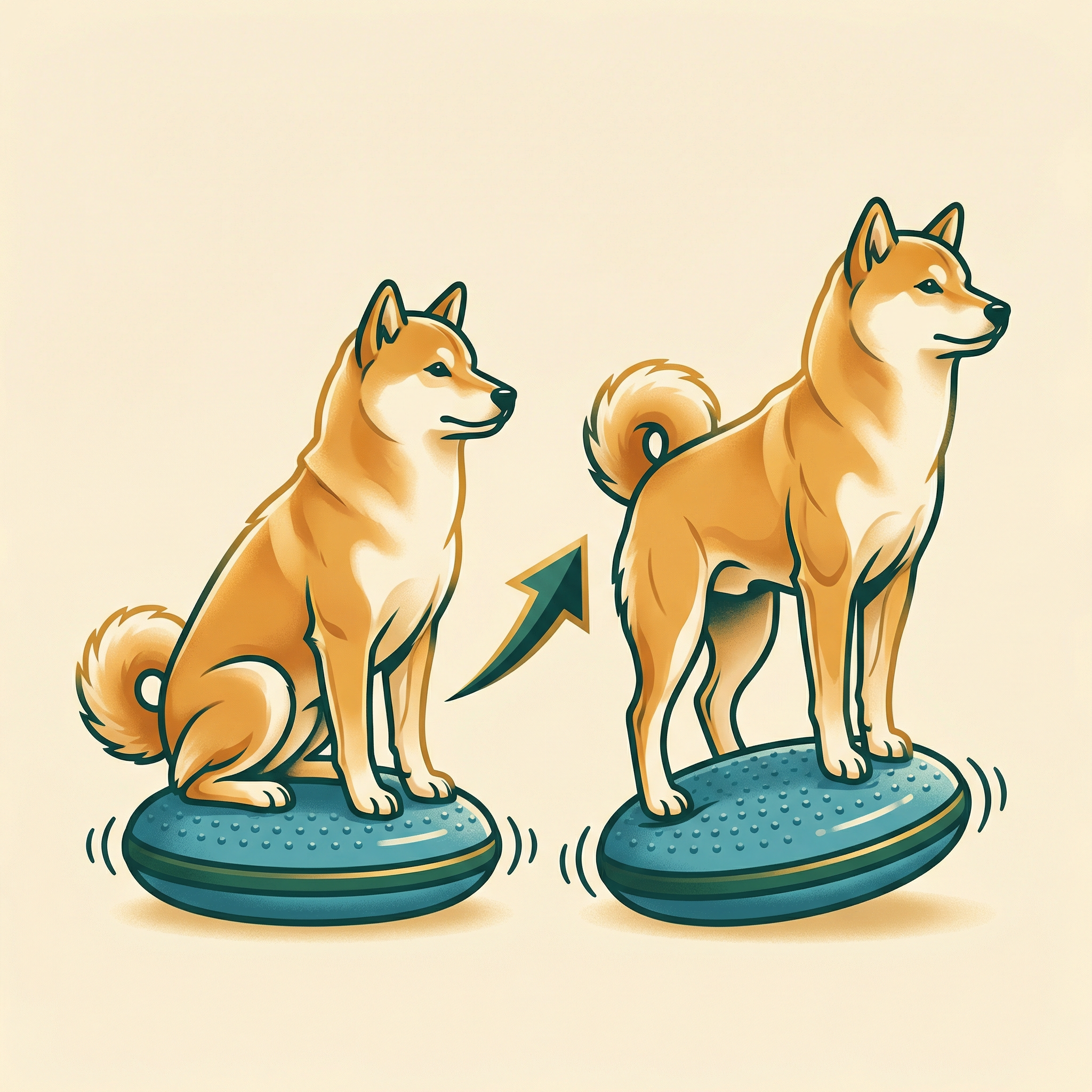
Directions: Have your dog sit on a firm, inflatable balance disk. Then, ask them to stand up. The unstable surface will make this simple movement much more challenging.
Mechanism & Benefit: Performing a sit-to-stand on an inflatable disk combines the concentric and eccentric loading of the quadriceps and glutes with the proprioceptive challenge of an unstable surface. This amplifies the benefit of a standard sit-to-stand, forcing greater muscle recruitment and balance control.
25. Nose Work / Scent Trail
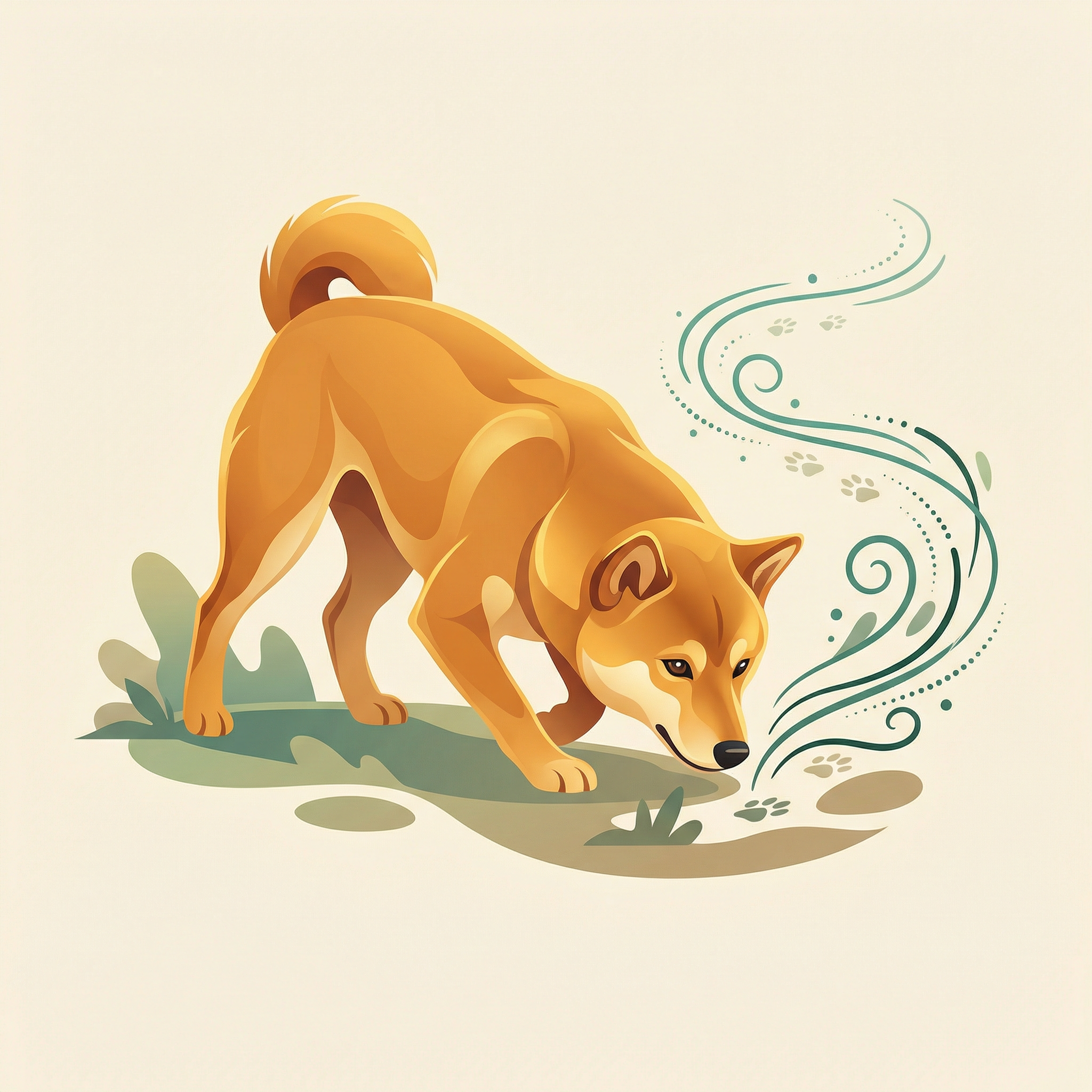
Directions: Hide a few high-value treats around a room or in the yard while your dog is out of sight. Then, release them with a cue like "Find it!" and let them use their nose to discover the rewards.
Mechanism & Benefit: Scent work is cognitive exercise. It requires sustained attention, problem-solving, and engages the prefrontal cortex. For aging dogs, this is a powerful tool to maintain neural circuit activity and combat the effects of Canine Cognitive Dysfunction. It is mental PT.