Knowledge Base
Pet Nutrition & Longevity Research
Evidence-based insights on nutrition, supplementation, training, and recovery — written by an owner who applies this work daily with his own animals.

The Muscle Preservation Protocol: MYOS vs. Ursolyx for Canine Sarcopenia and Atrophy
Discover the clinical evidence behind MYOS (Fortetropin) and Ursolyx (Ursolic Acid) for preventing muscle atrophy in dogs. Learn which supplement is backed by science to protect your dog's mobility during aging, CKD, or surgical recovery.

TPLO Recovery, Contralateral Rupture Risk, and Osteoarthritis Management
Discover the evidence-based protocol for TPLO surgery recovery in dogs. Learn how targeted nutrition, marine Omega-3s, and physical rehabilitation can prevent arthritis and protect the opposite leg from a second CCL tear.

The Ultimate Guide to Canine Longevity: Maximizing Healthspan in Senior Dogs
As our dogs age, the goal shifts from simply keeping them alive to maximizing their healthspan. This comprehensive guide breaks down the six science-backed pillars of canine longevity, from precision nutrition and hormone optimization to cognitive support and physical therapy. Discover actionable strategies and explore a real-world longevity supplement stack designed to target every major pathway of aging.

Ocular Degeneration & Hearing Loss in Aging Dogs
Comprehensive guide to age-related vision and hearing loss in dogs. Evidence-based prevention, supplements, and nutrition strategies to protect your senior dog's sensory health.

A Dog Owner's Guide to Chronic Kidney Disease: Diagnosis, Management, and Extending Life
Just received a kidney disease diagnosis for your dog? This guide breaks down everything a concerned owner needs to know about Chronic Kidney Disease (CKD), from understanding IRIS stages to the single most important action you can take: diet. Learn about the latest treatments that can extend your dog's life and how to partner with your vet to create the best care plan.

Hormone Replacement Therapy for Senior Dogs
Is traditional spay/neuter always the best choice for your dog's long-term health? New research reveals a hidden hormonal crisis, linking sterilization to a higher risk of cancer, joint disease, and accelerated aging. Discover how emerging hormone replacement therapies and hormone-sparing sterilization techniques are creating a new frontier in canine longevity science.
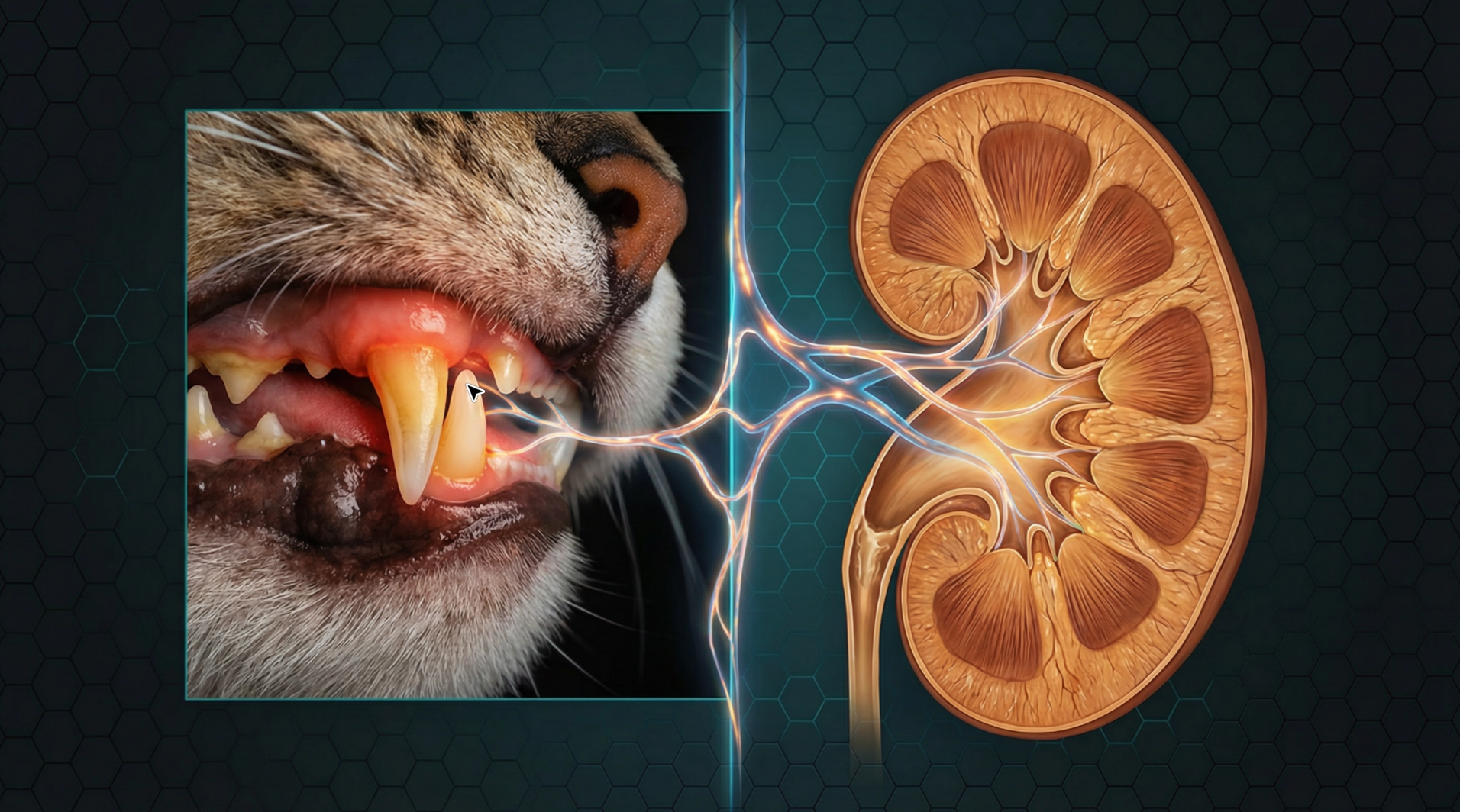
The Oral-Renal Axis and Chronic Kidney Disease in Companion Animals
Chronic kidney disease is a silent killer of aging cats and dogs, but its progression is closely linked to a surprising factor: oral health. The "oral-renal axis" reveals how inflammation from dental disease can worsen kidney function, and vice-versa. Discover the latest in diagnostics like SDMA, dietary strategies, and emerging cures that can help you manage CKD and extend your pet's life.
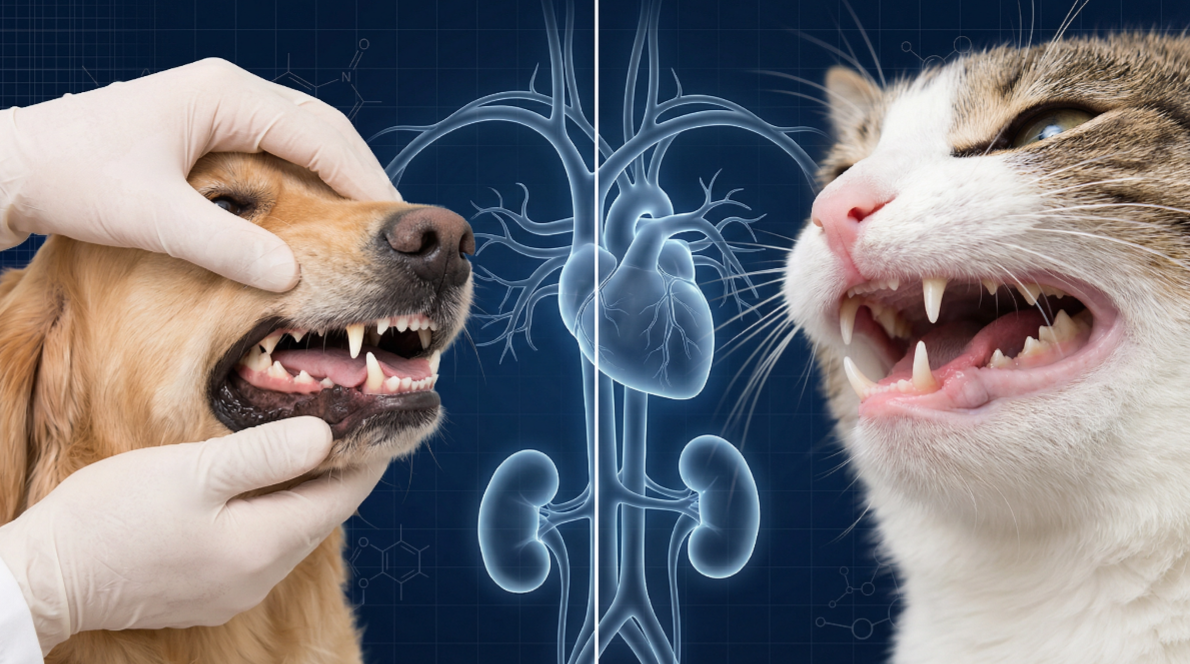
The Critical Role of Dental Hygiene in Canine and Feline Longevity
Did you know that your pet's bad breath could be a sign of a much larger problem? Periodontal disease is a major inflammatory disease linked to heart and kidney failure in dogs and cats, directly impacting their lifespan. Learn why daily tooth brushing is the single most effective action you can take to protect your pet's long-term health and prevent systemic disease.