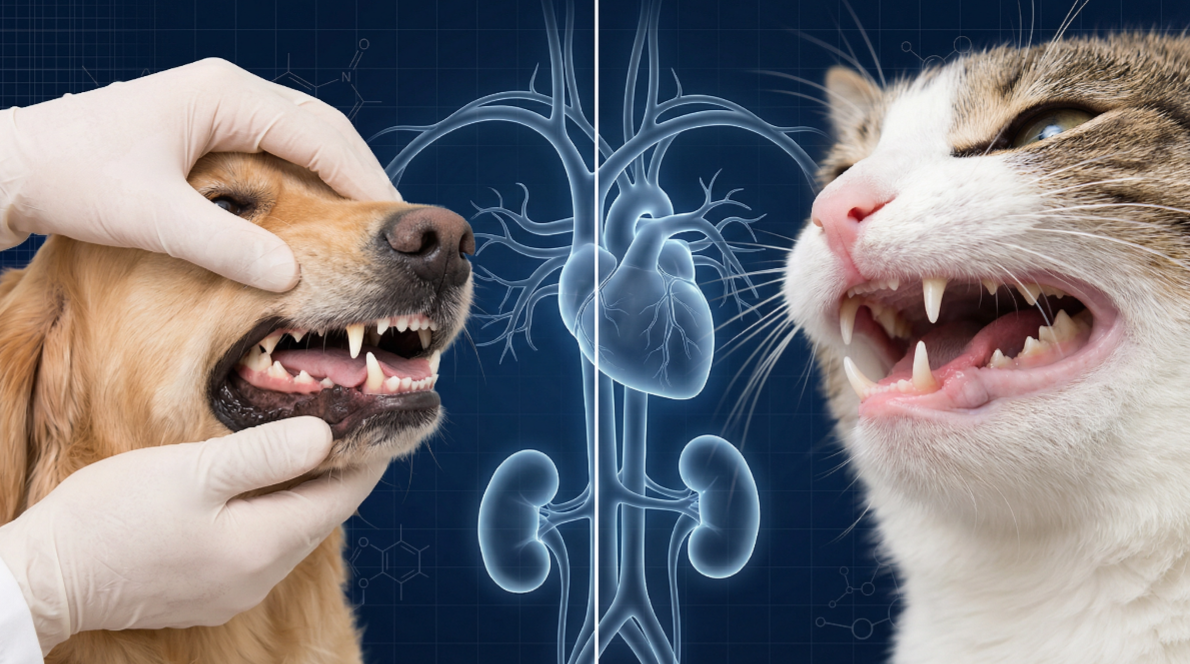
The Critical Role of Dental Hygiene in Canine and Feline Longevity
Periodontal disease is a major inflammatory disease linked to heart and kidney failure in dogs and cats.
Jake Kelly
Pet Longevity Researcher
Objective: To synthesize the current evidence on the systemic impact of periodontal disease on canine and feline healthspan and longevity, and to delineate the efficacy of various at-home dental care methodologies.
Background: Periodontal disease is the most prevalent infectious disease in companion animals, yet its role as a systemic inflammatory driver is often underestimated. This brief reviews the established links between poor oral health and distant organ pathology, including cardiac and renal disease, and evaluates the comparative effectiveness of preventative strategies.
Methods: A comprehensive review of recent veterinary literature was conducted, focusing on studies investigating the oral-systemic axis, the prevalence of periodontal disease, and the efficacy of dental home care. Key data points, expert consensus statements from the American Veterinary Dental College (AVDC), and emerging trends such as oral microbiome modulation and periodontal vaccines were synthesized.
Results: The evidence confirms a strong correlation between the severity of periodontal disease and the risk and progression of chronic kidney disease and heart disease in dogs and cats. Daily tooth brushing was found to be more than three times as effective as dental diets or chews in controlling plaque. Anesthesia-free dental cleanings are widely condemned by veterinary dental specialists as ineffective and potentially harmful.
Conclusion: Periodontal disease is a significant, modifiable risk factor for systemic disease and reduced longevity in companion animals. Daily tooth brushing, coupled with regular professional anesthetic dental cleanings, represents the gold standard of care and a critical component of any proactive longevity protocol.
Executive Brief: The Critical Role of Dental Hygiene in Canine and Feline Longevity
1. Key Findings
Periodontal disease is not a localized oral issue; it is a chronic, low-grade inflammatory condition with profound systemic consequences that directly impact healthspan and longevity in dogs and cats. The oral cavity acts as a gateway for pathogenic bacteria to enter the bloodstream, seeding infection and driving inflammation in distant organs, most notably the heart and kidneys. Daily tooth brushing remains the undisputed gold standard for plaque control and prevention, significantly outperforming all other at-home methods, including dental diets and chews. The failure to address oral health is one of the most significant and modifiable risk factors in preventative veterinary medicine, and a critical, underappreciated lever in any serious longevity protocol.
2. Data and Statistics
Prevalence: An estimated 80-90% of dogs and 50-90% of cats over the age of three have some form of active dental disease [1][2]. The prevalence increases with age and is more severe in smaller breeds.
The Oral-Systemic Link (Cardiac): A 2024 study by Portuguese veterinarians confirmed a significant correlation between the presence of periodontal disease and heart disease in dogs [3]. Bacteria commonly found in the oral cavity, such as Enterococcus, have been isolated from the heart valves of dogs with infective endocarditis [4].
The Oral-Systemic Link (Renal): A large-scale study of thousands of American dogs demonstrated a direct correlation between the clinical stage of periodontal disease and the stage of chronic kidney disease (CKD) [3]. As periodontal disease worsened, the severity of kidney disease increased.
Brushing Efficacy: Daily tooth brushing is more than three times as effective at controlling plaque accumulation compared to using a daily dental chew or a dental diet alone [5]. Brushing daily or every other day produces statistically significant improvements in plaque and gingivitis scores compared to weekly or bi-weekly brushing [6].
3. Expert Opinions and Quotes
"Periodontal disease is one of the most common diseases affecting dogs, with a reported prevalence of at least 80% in dogs over 3 years of age."
— Enlund KB, et al. BMC Veterinary Research, 2020 [1]
"As veterinarians we have classically focused on infection as the cause of bad breath and periodontal disease. I try to help veterinary teams understand that chronic inflammation plays a major role... As we study aging, the concept of ‘inflammaging’ is gaining traction."
— Heidi Lobprise, DVM, DAVDC, in dvm360, 2026 [7]
"Anesthesia free dental cleanings provide no benefit to your pet and do not prevent periodontal disease at any level. In fact, it gives you a false sense of security."
— American Veterinary Dental College (AVDC) [8]
4. Emerging Trends and Predictions
Oral Microbiome Modulation: The focus is shifting from simply removing bacteria to actively modulating the oral microbiome. A 2024 study showed that the oral microbiomes of older dogs naturally shift to resemble those of dogs with periodontal disease, suggesting age itself is a risk factor for dysbiosis [9]. This has led to the development of probiotic dental products (e.g., ProBioraPet) that introduce beneficial bacteria to outcompete pathogens.
Periodontal Vaccines: Research is underway to develop vaccines that can induce a protective immune response against the primary pathogens responsible for periodontal disease, such as Porphyromonas gulae. A 2025 study demonstrated the potential of outer membrane vesicle (OMV)-based vaccines in canines [10].
Ozone Therapy: The use of ozone gas in veterinary dentistry is gaining traction as an adjunct therapy. Its powerful antimicrobial and anti-inflammatory properties can help disinfect periodontal pockets and reduce inflammation during and after dental procedures [11].
5. Controversial Viewpoints or Debates
The most significant and contentious debate in companion animal dentistry is anesthesia-free dental cleaning. Proponents market it as a safer, cheaper alternative to traditional anesthetic procedures. However, the American Veterinary Dental College (AVDC), the American Veterinary Medical Association (AVMA), and virtually all board-certified veterinary dentists are unequivocally opposed to the practice. Their position is based on several key points:
Inability to Clean Subgingivally: Periodontal disease is a subgingival (below the gumline) process. Anesthesia-free scaling only removes visible supragingival calculus, which is purely cosmetic and does not address the underlying infection and inflammation.
Lack of Thorough Examination: A complete oral health assessment, including probing periodontal pockets and taking dental radiographs, is impossible on an awake and moving animal.
Risk of Injury and Aspiration: The use of sharp instruments in the mouth of an awake animal poses a significant risk of injury to the gums, tongue, and cheeks. There is also a risk of the animal aspirating water and debris.
Pain and Stress: The procedure is stressful and painful for the animal, even if they don't show overt signs of distress.
The consensus among veterinary dental specialists is that anesthesia-free dentistry provides a false sense of security to owners while allowing the actual disease process to progress unchecked.
6. Practical Implications for Pet Owners Interested in Longevity
Embrace Daily Brushing as a Non-Negotiable: The data is clear. Daily tooth brushing with a soft-bristle brush and a pet-specific, VOHC-accepted toothpaste is the single most effective action an owner can take to prevent periodontal disease and its systemic consequences.
Schedule Regular Professional Cleanings Under Anesthesia: Anesthesia is not the enemy; the disease is. For a longevity-focused protocol, annual or biennial comprehensive oral health assessments and treatments (COHATs) under anesthesia are essential for removing subgingival plaque and calculus and addressing any underlying issues before they become systemic problems.
Utilize VOHC-Accepted Products as Adjuncts, Not Replacements: The Veterinary Oral Health Council (VOHC) maintains a list of accepted dental chews, diets, and water additives that have demonstrated some level of plaque and/or tartar control. These can be useful additions to a home care routine but should never be considered a replacement for daily brushing.
Monitor for Early Signs: Owners should be vigilant for early signs of dental disease, including halitosis (bad breath), red or swollen gums, reluctance to eat or chew, and dropping food. These are not normal signs of aging.
Consider Emerging Technologies: For owners at the cutting edge, incorporating oral care probiotics and discussing ozone therapy with their veterinarian can provide an additional layer of support to a comprehensive dental hygiene program.
7. References
[1] Enlund KB, Brunius C, Hanson J, Hagman R, Höglund OV, Gustås P, Pettersson A. Dental home care in dogs - a questionnaire study among Swedish dog owners, veterinarians and veterinary nurses. BMC Vet Res. 2020 Mar 18;16(1):90. [2] Feline Dental Disease. Cornell Feline Health Center. Cornell University College of Veterinary Medicine. [3] Beyond the Canines: How Your Pet’s Dental Health Impacts Overall Health. The Animal Medical Center. Jan 31, 2024. [4] Semedo-Lemsaddek T, et al. Enterococcal Infective Endocarditis following Periodontal Disease in a Dog. Case Rep Vet Med. 2016;2016:6073183. [5] Allan RM, et al. Prospective randomised blinded clinical trial assessing effectiveness of three dental plaque control methods in dogs. J Small Anim Pract. 2019 Apr;60(4):212-217. [6] Harvey CE, Serfilippi L, Barnvos D. Effect of frequency of brushing teeth on plaque and calculus accumulation, and gingivitis in dogs. J Vet Dent. 2015 Spring;32(1):16-21. [7] Lobprise, H. How chronic inflammation shapes aging and oral disease in dogs. dvm360. Feb 12, 2026. [8] Anesthesia Free Dental Cleanings. American Veterinary Dental College. [9] Kislik, G. et al. Age-correlated changes in the canine oral microbiome. Front. Microbiol., 02 July 2024. [10] Nakao, R. et al. Assessment of periodontitis vaccine using three different Porphyromonas gulae outer membrane vesicle platforms in a canine model. mSphere. 2025. [11] Abreu-Villela, P. et al. Ozone Therapy in the Prevention of Dental Plaque Formation in Dogs: A Pilot Study. J Vet Dent. 2021 Jun;38(2):98-103.
Related Articles

The Ultimate Guide to Canine Longevity: Maximizing Healthspan in Senior Dogs
As our dogs age, the goal shifts from simply keeping them alive to maximizing their healthspan. This comprehensive guide breaks down the six science-backed pillars of canine longevity, from precision nutrition and hormone optimization to cognitive support and physical therapy. Discover actionable strategies and explore a real-world longevity supplement stack designed to target every major pathway of aging.
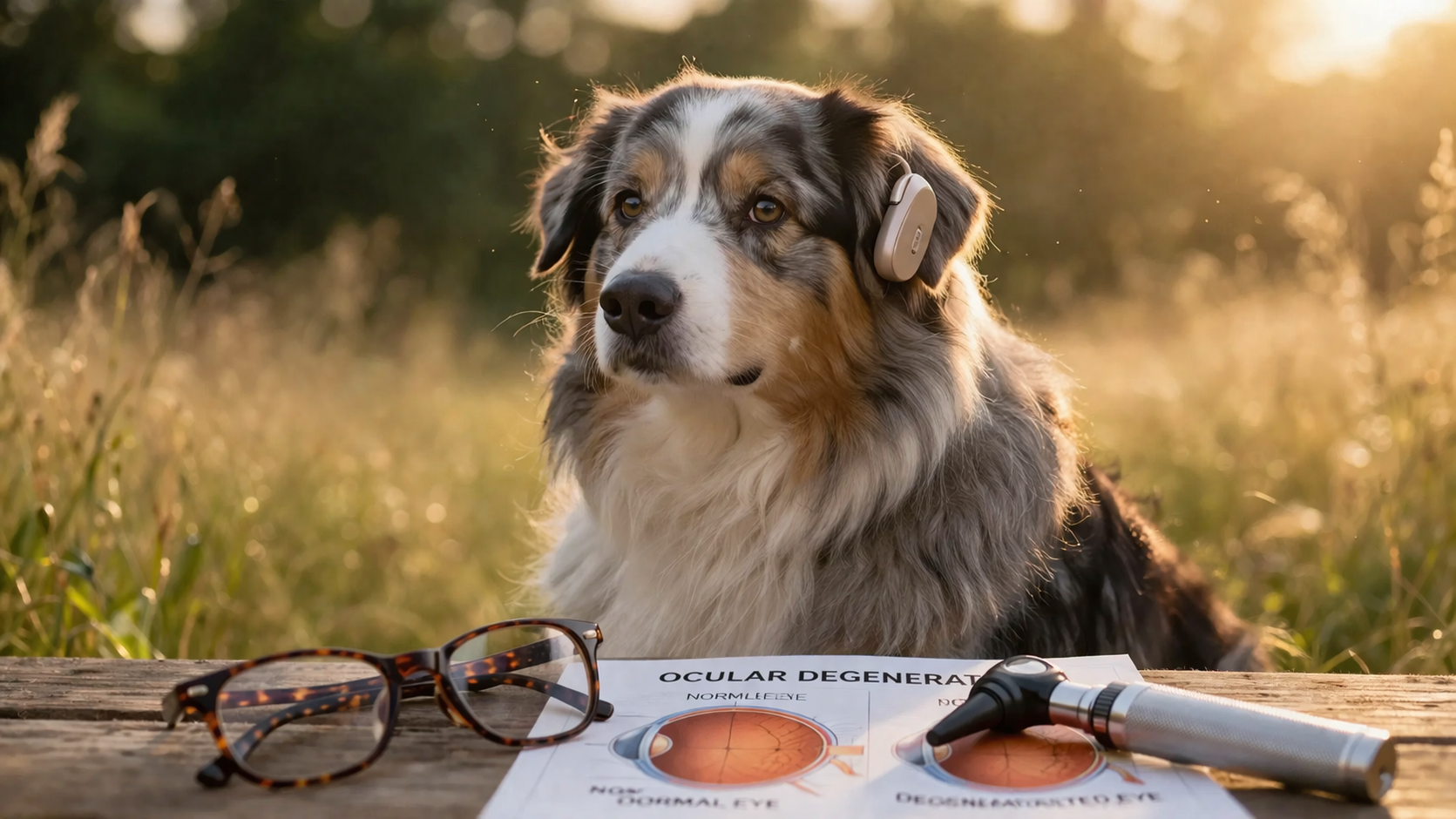
Ocular Degeneration & Hearing Loss in Aging Dogs
Comprehensive guide to age-related vision and hearing loss in dogs. Evidence-based prevention, supplements, and nutrition strategies to protect your senior dog's sensory health.
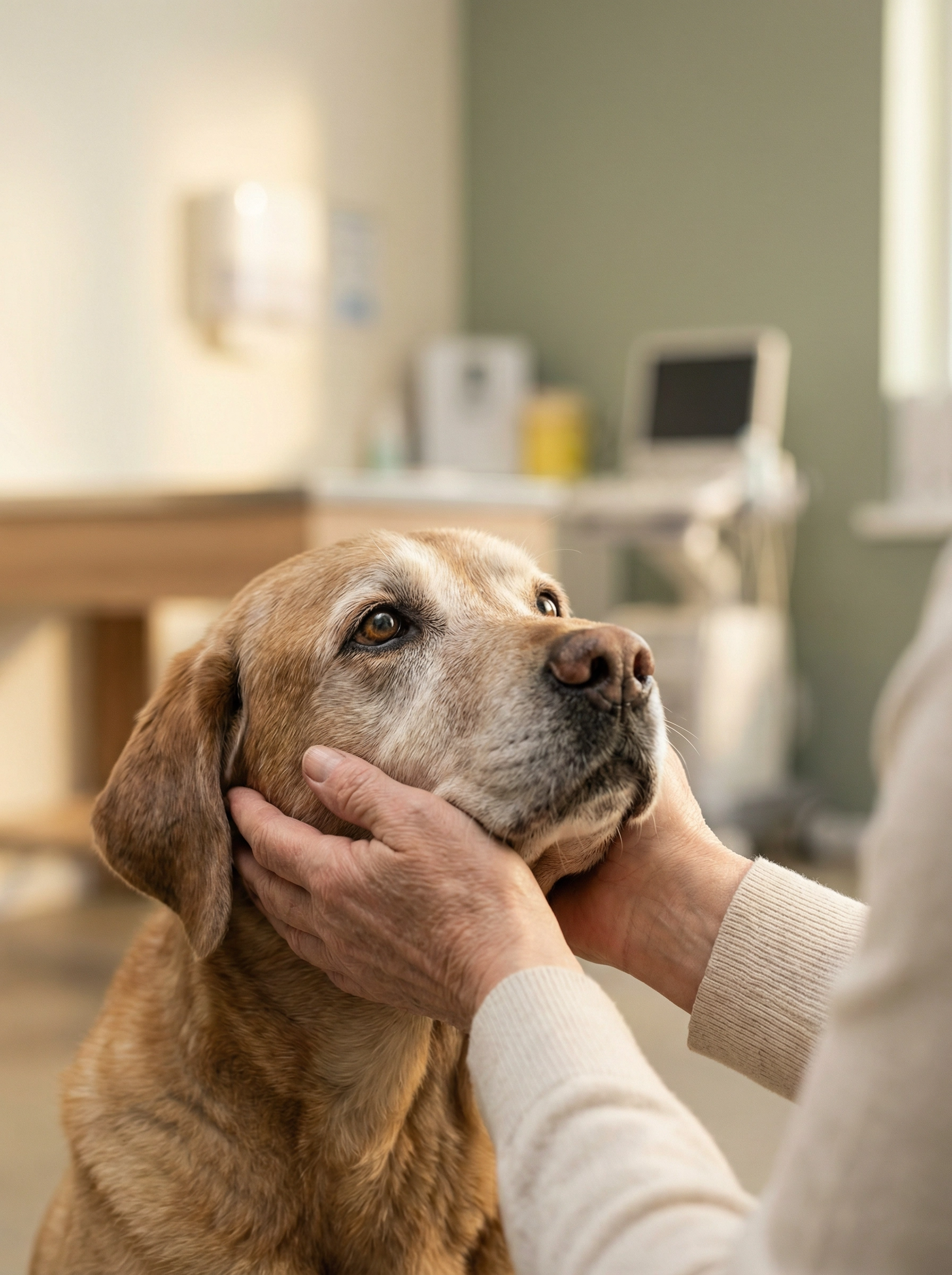
A Dog Owner's Guide to Chronic Kidney Disease: Diagnosis, Management, and Extending Life
Just received a kidney disease diagnosis for your dog? This guide breaks down everything a concerned owner needs to know about Chronic Kidney Disease (CKD), from understanding IRIS stages to the single most important action you can take: diet. Learn about the latest treatments that can extend your dog's life and how to partner with your vet to create the best care plan.