The Ultimate Guide to Canine Longevity: Maximizing Healthspan in Senior Dogs
A Science-Backed Protocol for Nutrition, Hormone Optimization, and Joint Preservation to Extend Your Dog's Golden Years.
Jake Kelly
Pet Longevity Researcher
The Ultimate Guide to Canine Longevity: Maximizing Healthspan in Senior Dogs
As our dogs age, the goal shifts from simply keeping them alive to maximizing their healthspan—the period of life spent in good health, free from chronic disease and mobility loss. While the foundation of longevity is built during a dog's youth, the interventions we apply in their senior years become critical multipliers for their quality of life.
This comprehensive guide outlines the core pillars of canine longevity, from nutrition and hormone optimization to cognitive support and physical therapy. It concludes with a real-world example: Kado's Longevity Stack, a meticulously researched protocol designed to target every major pathway of aging.
Pillar 1: Nutritional Excellence and Weight Management
The single most significant factor in a dog's longevity is maintaining an optimal body condition score. A landmark 14-year study demonstrated that lean dogs live up to two years longer than their overweight counterparts, with significantly delayed onset of osteoarthritis and chronic disease [1].
Quality Food: A longevity diet leaves no nutritional gaps. It should be built on high-quality, bioavailable proteins and whole-food ingredients. Rotating between premium kibble (like Open Farm Ancient Grains) and raw or gently cooked options (like Northwest Naturals) provides a robust amino acid profile and microbiome diversity.
Volume Control: Precision is key. Utilizing meal planning applications like The Feeding Friend ensures that caloric intake perfectly matches your dog's metabolic needs and daily activity levels, preventing the slow creep of age-related weight gain.
Fiber for the Microbiome: The gut microbiome is the control center for systemic inflammation and immune health. Daily additions of soluble fiber, such as pure pumpkin puree, support healthy digestion, firm stools, and a thriving gut flora.
Pillar 2: Hydration and Renal Health
Chronic Kidney Disease (CKD) is a leading cause of mortality in senior dogs. Proactive hydration is the best defense against renal decline. Clinical studies have shown that increasing total water intake produces more dilute urine, which is a critical factor in preventing the progression of chronic kidney disease and lower urinary tract disease [2].
Clean, Moving Water: Dogs are more likely to drink frequently when water is fresh and aerated. Utilizing a stainless steel water fountain with continuous filtration encourages hydration while preventing the dangerous biofilm (bacteria like E. coli and Salmonella) that quickly forms in stagnant plastic or ceramic bowls.
Moisture-Rich Meals: Adding warm water or bone broth to every meal is a simple, highly effective strategy to increase total daily water intake, ensuring the kidneys are constantly flushed and urine remains properly dilute.
Pillar 3: The Oral-Systemic Connection
Periodontal disease affects over 80% of dogs by age three, and by their senior years, it becomes a massive driver of systemic inflammation. Research confirms a direct association between the severity of periodontal disease and systemic consequences, including significant damage to the heart valves, kidneys, and liver [3].
Comprehensive Dental Care: Daily mechanical brushing is the gold standard. However, combining brushing with a clinically proven prebiotic water additive (like TEEF) alters the oral microbiome, starving plaque-causing bacteria and neutralizing bad breath at the source.
Pillar 4: Hormone Optimization
Traditional spay and neuter practices completely remove a dog's sex hormones, which are critical for maintaining muscle mass, bone density, and metabolic health. In senior dogs, this hormonal absence accelerates frailty and joint degradation.
Hormone Replacement Therapy (HRT): Emerging veterinary science supports the use of targeted HRT for sterilized dogs. Protocols such as low-dose testosterone cypionate (e.g., 20mg every two weeks) can profoundly improve lean mass retention, energy levels, and overall vitality in aging males, mitigating the long-term adverse health effects of gonad-removing surgical sterilization [4].
Pillar 5: Mobility, Muscle, and Joint Preservation
Sarcopenia (age-related muscle loss) and osteoarthritis are the primary thieves of a senior dog's mobility. Preserving lean mass is non-negotiable for a long healthspan.
Targeted Supplementation:
Adequan: An injectable polysulfated glycosaminoglycan that actively repairs cartilage and improves joint fluid viscosity.
Glucosamine/Chondroitin & UC-II Collagen: Found in high-quality supplements like JOPE and Cosequin, these compounds reduce joint inflammation and support structural integrity.
Muscle Retention: Supplements like MYOS Fortetropin (derived from fertilized egg yolks) are scientifically proven to inhibit disuse muscle atrophy and support lean mass retention in aging dogs [5]. Creatine Monohydrate provides additional strength support.
Physical Therapy and Movement: Daily, consistent movement is vital. A baseline of walking (e.g., 5 days a week, averaging 25k steps) maintains cardiovascular health. Supplementing this with structured Physical Therapy—including stretching, balance training (using peanuts or wobble boards), and strength training 3x weekly—keeps the neuromuscular system sharp and prevents injury. Clinical reviews emphasize that targeted exercise and physiotherapy significantly improve functional mobility in geriatric dogs [6].
Recovery: Pulsed Electromagnetic Field (PEMF) therapy mats enhance cellular repair, increase blood flow, and significantly reduce post-exercise inflammation and joint pain [7].
Pillar 6: Cognitive and Organ Support
Canine Cognitive Dysfunction (CCD), similar to human Alzheimer's, affects a large percentage of senior dogs. Protecting the brain, liver, and eyes requires specific, blood-brain-barrier-crossing antioxidants.
SAMe (S-Adenosylmethionine): A powerhouse compound that detoxifies the liver and improves cognitive function, memory, and neurotransmitter activity. Studies show SAMe supplementation significantly improves cognitive function in animals [8].
Phosphatidylcholine (Sunflower Lecithin): A critical phospholipid that maintains the integrity of brain cell membranes. It improves information retention, protects the liver from toxicity, and supports healthy fat metabolism [9].
Ocular Health: Vision loss drastically impacts a dog's confidence. Supplements combining Lutein, Grape Seed Extract, and Omega-3s (like Ocu-GLO), paired with Ginkgo Biloba for retinal blood flow and daily lubricating drops, protect against retinal degeneration and corneal disease.
Systemic Inflammation: High-EPA/DHA Fish Oil is the ultimate anti-inflammatory. Double-blind clinical trials demonstrate that daily supplementation with EPA and DHA significantly improves objective measures of pain and lameness in dogs with osteoarthritis [10].
Real-World Application: Kado’s Longevity Stack
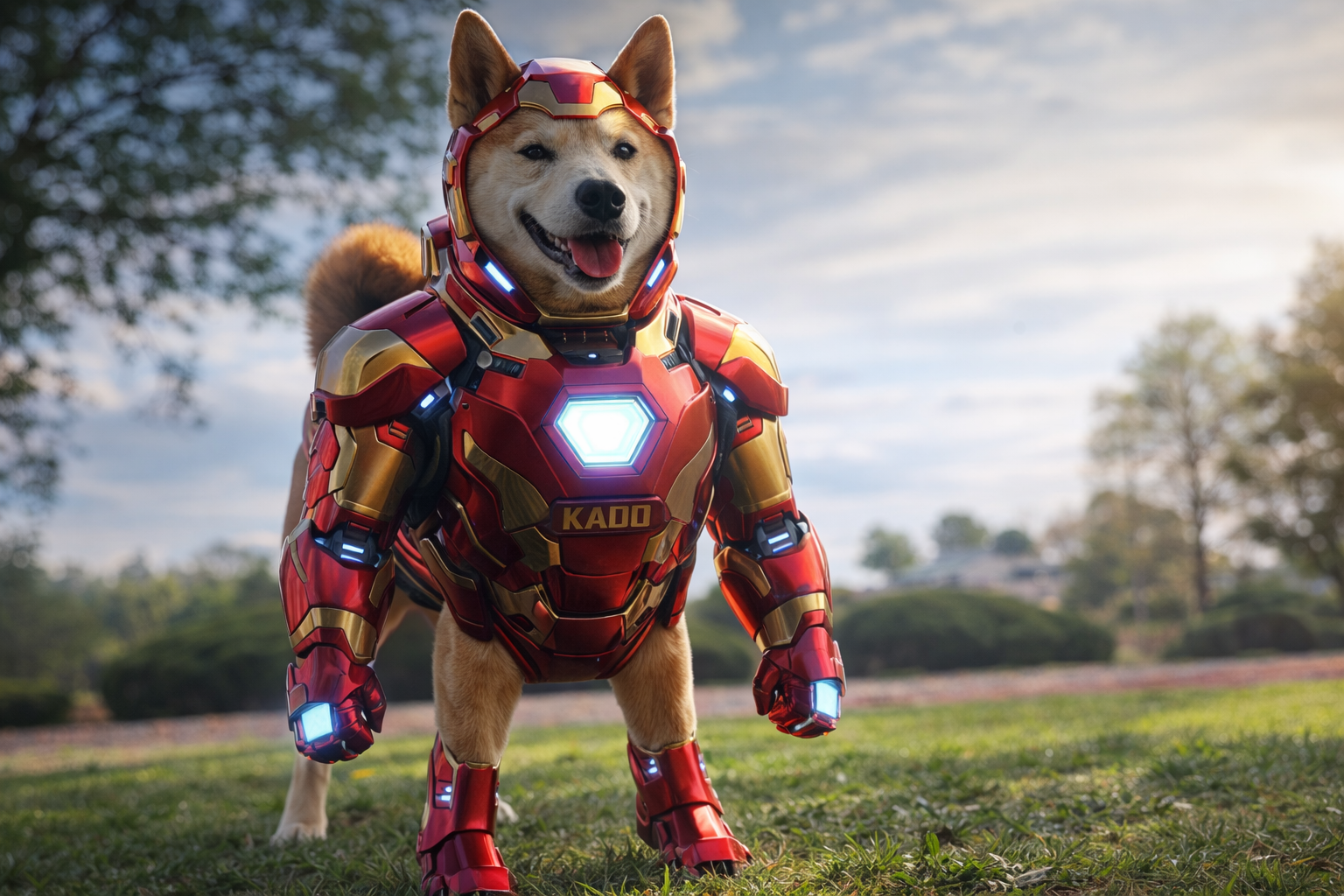
To illustrate what a comprehensive, multi-modal longevity protocol looks like in practice, here is the exact daily stack used by Kado, a 12-year-old Shiba Inu. Kado maintains an ideal body condition score, walks 25,000 steps a day, and actively manages hypothyroidism, retinal degeneration, and a history of CCL surgery.
His protocol targets every major pathway of aging, from hormone optimization to cellular detoxification.
1. The Foundation: Nutrition & Hydration
Diet: Open Farm Ancient Grains Beef Kibble mixed with Northwest Naturals Chicken and Salmon Bulk Bars.
Hydration: Reverse Osmosis (RO) water served in a stainless steel fountain (cleaned weekly) to encourage drinking and maintain dilute urine.
Microbiome Support: Daily pumpkin puree for soluble fiber.
Micronutrient Insurance: NuPro All Natural Dog Supplement to fill any trace mineral gaps.
2. Hormone Optimization
Testosterone Cypionate: 20mg injected every 2 weeks to maintain lean muscle mass, energy, and endocrine balance.
Levothyroxine: Daily to manage clinical hypothyroidism.
3. Joint Preservation & Muscle Retention
Adequan: Injectable polysulfated glycosaminoglycan (PSGAG) for cartilage protection.
Targeted Joint Chews: JOPE Hip & Joint Chews and Nutramax Cosequin DS Plus MSM.
Connective Tissue Support: Four Leaf Rover Bovine Collagen Peptides to support the ligaments and tendons stabilizing his TPLO knee.
Muscle Retention: MYOS Canine Muscle Formula (Fortetropin) and Creatine Monohydrate.
Physical Therapy: 3x weekly sessions incorporating stretching, balance training, and strength work.
Recovery: Daily use of a PEMF Therapy Mat (Pulsed Electromagnetic Field) to reduce cellular inflammation.
4. Cognitive & Ocular Health
Brain Protection: SAMe (S-adenosylmethionine) at 400mg daily, plus Organic Sunflower Lecithin (Phosphatidylcholine) for neural membrane integrity.
Retinal Support: Ocu-GLO and Ginkgo Biloba for ocular blood flow, plus Tacrolimus drops for corneal health.
Nighttime Antioxidant: K9 Select Melatonin (3mg) at bedtime. Melatonin is a potent, blood-brain-barrier-crossing antioxidant that specifically protects retinal tissue and regulates sleep cycles in senior dogs. (Note: Never use human melatonin gummies, as they often contain toxic xylitol).
5. Systemic Anti-Inflammatory & Organ Support
High-Potency Omega-3s: Nordic Naturals Omega-3 Pet Liquid. Upgraded from standard capsules to a veterinary-grade triglyceride liquid to hit the therapeutic target of 1,200mg EPA/DHA daily for a 35lb dog.
Liver Detoxification: VetriScience Liver Health (Milk Thistle/Silymarin) to protect hepatocytes and support Phase II liver detoxification, crucial for a dog processing multiple daily medications.
6. Oral-Systemic Health
Mechanical Cleaning: Enzymatic toothpaste brushing 2–3x weekly.
Water Additive: TEEF Prebiotic Dental Powder added to the fountain to modulate the oral microbiome and prevent systemic bacteremia.
References
[1] Kealy, R. D., et al. "Effects of diet restriction on life span and age-related changes in dogs." Journal of the American Veterinary Medical Association 220.9 (2002): 1315-1320. [2] Zanghi, B. M., & Gardner, C. L. "Total water intake and urine measures of hydration in adult dogs drinking tap water or a nutrient-enriched water." Frontiers in Veterinary Science 5 (2018): 317. [3] Dos Santos, J. D. P., et al. "Relation between periodontal disease and systemic diseases in dogs." Research in Veterinary Science 125 (2019): 136-140. [4] Kutzler, M. A. "Possible Relationship between Long-Term Adverse Health Effects of Gonad-Removing Surgical Sterilization and Luteinizing Hormone in Dogs." Animals 10.4 (2020): 599. [5] White, D. A., et al. "Fortetropin inhibits disuse muscle atrophy in dogs after tibial plateau leveling osteotomy." PLoS One 15.4 (2020): e0231306. [6] Frye, C., et al. "Canine geriatric rehabilitation: considerations and strategies for assessment, functional scoring, and follow up." Frontiers in Veterinary Science 9 (2022): 842458. [7] Gaynor, J. S., et al. "Veterinary applications of pulsed electromagnetic field therapy." Research in Veterinary Science 119 (2018): 1-8. [8] Zhao, Y., et al. "Effects of S-Adenosylmethionine on Cognition in Animals and Humans." Nutrients 15.17 (2023): 3740. [9] Lands, W. E. "Dietary choline and phosphatidylcholine." Nutrition Reviews 59.10 (2001): 325-331. [10] Hielm-Björkman, A., et al. "An un-commissioned randomized, placebo-controlled double-blind study to test the effect of deep sea fish oil as a pain reliever for dogs suffering from canine OA." Acta Veterinaria Scandinavica 54.1 (2012): 1-11.
Comprehensive Longevity Gap Analysis: Kado (12yo Shiba Inu)
Patient Profile: Kado, 12-year-old male Shiba Inu, 35 lbs. Neutered at 6 months. Primary Diagnoses: Hypothyroidism, dry eye, retinal degeneration (70% left, 20% right), partial deafness, history of CCL tear/TPLO. Current Protocol Strengths: Exceptional nutrition (Open Farm + NW Naturals), excellent weight management (ideal BCS), robust physical therapy (3x weekly), proactive hormone optimization (Testosterone Cypionate), and a highly collaborative veterinary relationship.
This gap analysis evaluates Kado's current protocol against the latest veterinary gerontology research to identify missing interventions, optimize current dosing, and protect his remaining quality of life.
High-Priority Gaps (Immediate Action Recommended)
1. Fish Oil Dosing is Sub-Therapeutic
Current: 5 Kirkland capsules (approx. 1,150mg combined EPA/DHA total). The Gap: For a 35 lb (15.8 kg) dog with a history of orthopedic surgery and active retinal degeneration, the therapeutic anti-inflammatory dose of EPA/DHA is significantly higher. The veterinary consensus for osteoarthritis and systemic inflammation is 75–100 mg of combined EPA/DHA per kg of body weight [1]. Recommendation: Kado requires approximately 1,200 to 1,500 mg of combined EPA/DHA daily. While 5 Kirkland capsules technically approach this number, human-grade ethyl ester fish oils often have poor bioavailability in dogs compared to triglyceride-form canine-specific oils. Consider switching to a high-potency veterinary liquid (e.g., Nordic Naturals Omega-3 Pet or Welactin) to achieve therapeutic dosing without the excess calories of 5 large gel caps.
2. Missing SDMA and Blood Pressure Screening
Current: Biannual bloodwork with standard urinalysis; no SDMA, no blood pressure monitoring. The Gap: Chronic Kidney Disease (CKD) and hypertension are silent killers in senior dogs. Standard creatinine only elevates after 75% of kidney function is lost. SDMA detects kidney decline when only 25% of function is lost [2]. Furthermore, senior dogs are highly prone to systemic hypertension, which directly accelerates retinal degeneration and kidney damage [3]. Recommendation: Add an SDMA test to his next biannual blood panel. Request a Doppler blood pressure measurement at his next vet visit. If his blood pressure is elevated, it could be actively worsening his vision loss.
3. Retinal Degeneration Support is Incomplete
Current: OcuGlo, Tacrolimus, artificial tears. The Gap: While OcuGlo is excellent, progressive retinal atrophy and degeneration are driven by severe oxidative stress. Research shows that aggressive, multi-modal antioxidant therapy can significantly slow retinal functional decline [4]. Recommendation: Add Melatonin (1-3mg nightly). Melatonin is a potent, blood-brain-barrier-crossing antioxidant that specifically protects retinal tissue and regulates sleep cycles in senior dogs [5]. Ensure his OcuGlo dose is maximized for his weight bracket.
Medium-Priority Gaps (Optimization & Prevention)
4. Cognitive Enrichment & Brain Protection
Current: SAMe (400mg), Sunflower Lecithin (1200mg), no specific cognitive enrichment. The Gap: Kado's SAMe dose (400mg) is excellent for a 35lb dog (standard is ~20mg/kg). However, physical exercise alone does not prevent Canine Cognitive Dysfunction (CCD). As his hearing and vision decline, his brain receives less sensory input, accelerating cognitive aging. Recommendation: Introduce olfactory (scent) enrichment. Since his nose is his strongest remaining sense, daily "sniffaris" or puzzle feeders (e.g., snuffle mats, hiding high-value treats around the house) will force his brain to build new neural pathways, a proven strategy for delaying CCD [6].
5. Connective Tissue & Joint Support
Current: Adequan, JOPE, Cosequin, PEMF mat, PT. The Gap: The joint protocol is world-class. However, as dogs age, endogenous collagen production plummets, weakening the ligaments and tendons supporting his TPLO knee. Recommendation: Add Hydrolyzed Collagen Peptides (Type II) or unflavored gelatin to his meals. Clinical trials demonstrate that specific bioactive collagen peptides significantly improve gait and reduce lameness in dogs with osteoarthritis [7].
6. Liver & Detoxification Support
Current: SAMe, Sunflower Lecithin. The Gap: Kado is processing multiple daily medications (Levothyroxine, Tacrolimus, Testosterone). While SAMe is a powerful liver protectant, it works synergistically with other compounds to produce glutathione, the body's master antioxidant. Recommendation: Consider adding Milk Thistle (Silymarin) or N-Acetyl Cysteine (NAC). These compounds specifically protect hepatocytes from medication-induced oxidative stress and support Phase II liver detoxification [8].
Low-Priority Gaps (Monitoring & Future Considerations)
7. Endocrine Monitoring
Current: T4 tested recently; Testosterone not tested post-protocol. The Gap: Without testing free T4 and TSH, it is difficult to know if the Levothyroxine dose is truly optimal at the cellular level. Furthermore, while 20mg of testosterone every 2 weeks is a standard starting dose, individual metabolism varies wildly. Recommendation: At the next blood draw, request a full thyroid panel (Total T4, Free T4, TSH) and a serum testosterone level (drawn mid-cycle, 7 days post-injection) to ensure he is in the optimal physiologic range, not supra-physiologic.
8. Vitamin D3 Status
Current: No Vitamin D supplementation. The Gap: Over 70% of dogs are deficient in Vitamin D, which is critical for immune function and cancer prevention [9]. Because dogs cannot synthesize Vitamin D from sunlight, they rely entirely on diet. Recommendation: Have his 25(OH)D levels checked at his next blood draw. If deficient, targeted supplementation may improve his overall immune resilience.
Summary Action Plan for Kado
Next Vet Visit: Request SDMA, Doppler blood pressure, full thyroid panel, and serum testosterone.
Dietary Tweaks: Upgrade fish oil to a high-potency veterinary liquid (target 1,200mg EPA/DHA daily) and add a scoop of hydrolyzed collagen.
New Supplements: Add Melatonin (nightly) for retinal protection and Milk Thistle for liver support.
Daily Routine: Introduce 10 minutes of dedicated nose-work or puzzle feeding to protect his cognitive health as his vision and hearing decline.
References
[1] Hielm-Björkman, A., et al. "An un-commissioned randomized, placebo-controlled double-blind study to test the effect of deep sea fish oil as a pain reliever for dogs suffering from canine OA." Acta Veterinaria Scandinavica 54.1 (2012): 1-11. [2] Nabity, M. B., et al. "Symmetric dimethylarginine assay validation, stability, and evaluation as a marker for the early detection of chronic kidney disease in dogs." Journal of Veterinary Internal Medicine 29.4 (2015): 1036-1044. [3] Brown, S., et al. "Guidelines for the identification, evaluation, and management of systemic hypertension in dogs and cats." Journal of Veterinary Internal Medicine 21.3 (2007): 542-558. [4] Wang, W., et al. "Antioxidant supplementation increases retinal responses and decreases refractive error changes in dogs." Journal of Nutritional Science 5 (2016): e18. [5] Ruiz-Cano, D., et al. "Essential Oils and Melatonin as Functional Ingredients in Dogs." Animals 12.17 (2022): 2286. [6] Milgram, N. W., et al. "Cognitive enrichment and welfare: Current approaches and future directions." Neurobiology of Aging (2006). [7] Dobenecker, B., et al. "The oral intake of specific Bioactive Collagen Peptides (BCP) improves gait and quality of life in canine osteoarthritis patients." PLoS One 19.8 (2024): e0308378. [8] Webb, C. B. "Metabolic, antioxidant, nutraceutical, probiotic, and herbal therapies relating to the management of hepatobiliary disorders." Veterinary Clinics: Small Animal Practice 33.5 (2003): 1105-1127. [9] Titmarsh, H., et al. "Immune function and serum vitamin D in shelter dogs: a case-control study." The Veterinary Journal 203.1 (2015): 109-114.
Related Articles
Ocular Degeneration & Hearing Loss in Aging Dogs
Comprehensive guide to age-related vision and hearing loss in dogs. Evidence-based prevention, supplements, and nutrition strategies to protect your senior dog's sensory health.
A Dog Owner's Guide to Chronic Kidney Disease: Diagnosis, Management, and Extending Life
Just received a kidney disease diagnosis for your dog? This guide breaks down everything a concerned owner needs to know about Chronic Kidney Disease (CKD), from understanding IRIS stages to the single most important action you can take: diet. Learn about the latest treatments that can extend your dog's life and how to partner with your vet to create the best care plan.
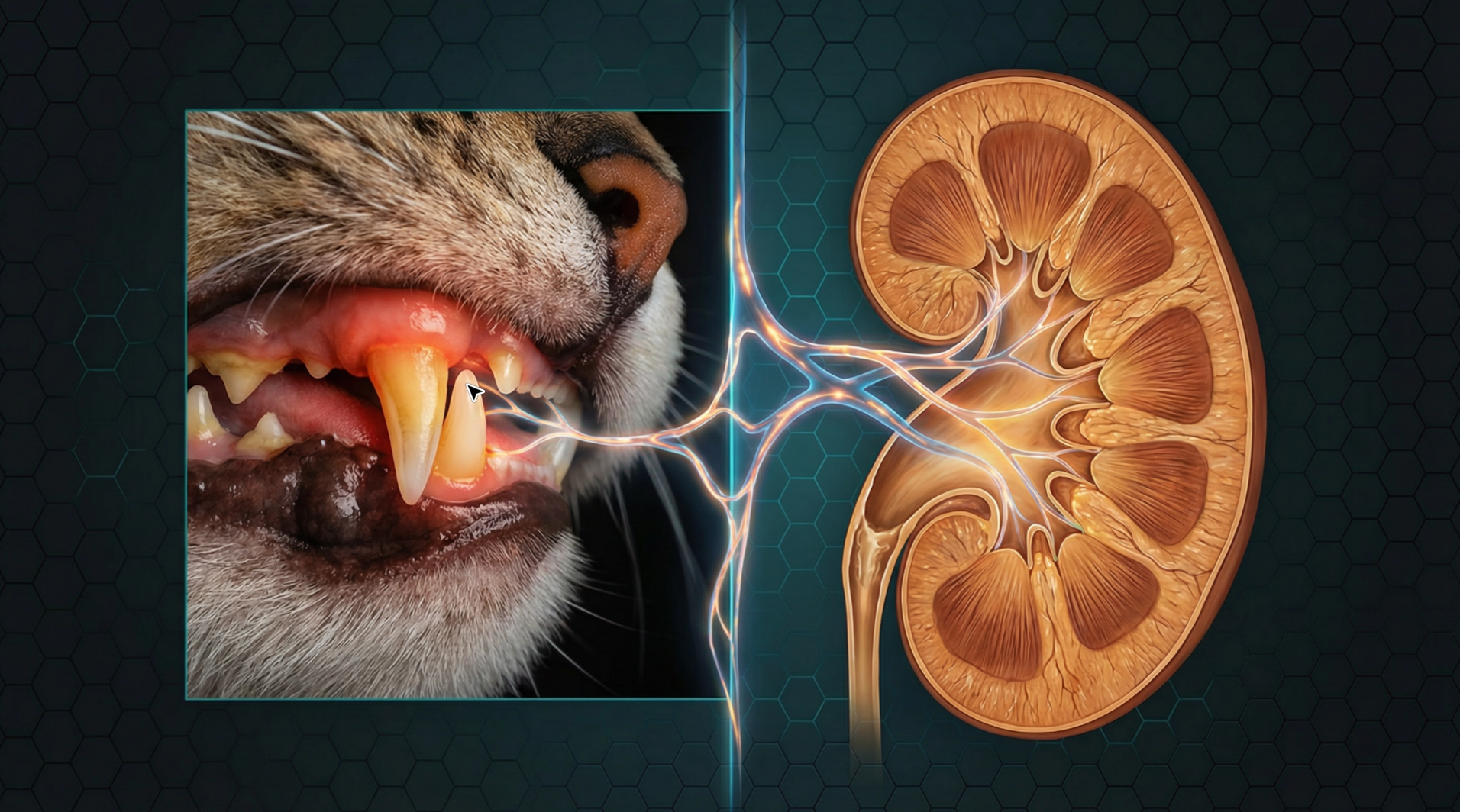
The Oral-Renal Axis and Chronic Kidney Disease in Companion Animals
Chronic kidney disease is a silent killer of aging cats and dogs, but its progression is closely linked to a surprising factor: oral health. The "oral-renal axis" reveals how inflammation from dental disease can worsen kidney function, and vice-versa. Discover the latest in diagnostics like SDMA, dietary strategies, and emerging cures that can help you manage CKD and extend your pet's life.